Use this kind of soil for your plants - it costs nothing, is fertile, and your flowers will grow like crazy
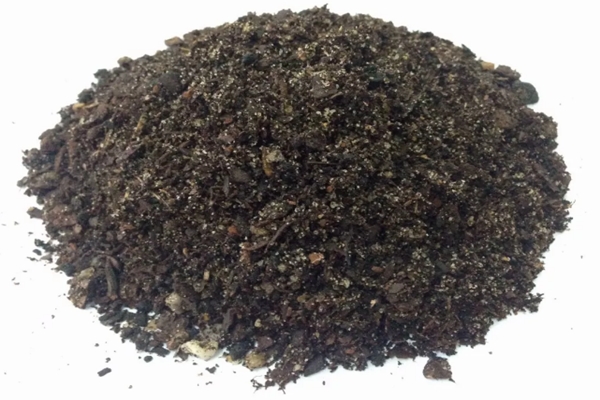
Compost soil from fruit peels - no bad smell, strong fertility!
Steps
1. Prepare a fairly large plastic water bottle.
2. After eating a pomelo, keep the peel and cut it into small pieces.
3. Spread a layer of garden soil or old soil at the bottom of the plastic bucket, then sprinkle a layer of pomelo peel - not too thick, 1-2 cm thick is fine. Then add another layer of soil, then another layer of pomelo peel, and repeat this cycle until 10 cm below the bottle cap, then finish with a final 5 cm layer of soil!
4. Put the lid on the plastic bucket and place it in a spot at home with good light and ventilation. Open the lid every 2-3 days to let it breathe. After 2-3 months, it is ready to use! The flowers grown with it have especially strong roots, and the little shoots grow like crazy!
Kitchen waste compost soil - airy, well-draining and pitch black
Steps
1. Don't throw away the rotten leaves trimmed off when cooking, potato peels, yam peels and other kitchen waste fertilizer - cut them into small pieces!
2. Find an old flower pot and prepare some garden soil or leftover old soil.
3. Block the drainage holes at the bottom of the flower pot and spread a layer of garden soil about 5 cm thick.
4. Spread a layer of kitchen waste on the garden soil, then cover with a layer of soil, then another layer of kitchen waste, then more soil, and repeat. Cover the top layer with about 5 cm of soil, so there is no odor or bugs!
5. Put the layered soil in a spot with good light and ventilation, and it will be ready to use by spring!
Fermented sawdust soil - loose, airy, and keeps roots from rotting
Steps
1. Sawdust has a light texture and is very loose and nutrient-rich, making it an especially high-quality soil for plants. Soil fermented with sawdust keeps roots from rotting and makes them strong! And if you mix just a small amount of sawdust into the soil, it can be used without fermenting!
2. Of course, it is safer to ferment the sawdust before using it. You can mix the sawdust and soil evenly at a 1:1 ratio.
3. Put the mixed sawdust soil into a foam box, sprinkle water to make the soil and sawdust slightly moist, then put on the lid, seal it with tape, and leave it in a warm place to ferment.
4. After about 2 months, the sawdust soil is fermented and ready. It can be used directly for common household flowers like pothos and spider plants - airy and nutritious!
Homemade leaf mold soil - loose, airy, and keeps roots from rotting!
Steps
1. In winter, many trees have dropped their leaves. Collect some fallen leaves of large broadleaf trees from the roadside, such as plane trees and camphor trees. Step on these leaves to crush them - the smaller the better!
2. Use boiling water to scald the crushed leaves several times to disinfect them.
3. Find a plastic bucket or storage box without holes, and pour a layer of ordinary garden soil about 8-10 cm thick at the bottom.
4. Sprinkle a layer of crushed leaves about 5-8 cm thick on the garden soil, and water a little to moisten the leaves. Be careful not to press hard - leave a few gaps, which is better for fermentation.
5. On top of the leaves, cover another layer of garden soil about 5 cm thick. On top of the garden soil, add another 8 cm or so of crushed leaves. Repeat this cycle until the pot is full. Note: do not use more than 4 layers of leaves.
6. Note: the final layer must be a layer of garden soil, and it should be about 10 cm thick - not too thin.
7. Get a plastic bag and cover the mouth of the plastic bucket, leaving a small hole for ventilation. Put it on the balcony, in the yard, or in the stairwell at home and let it ferment naturally. Water it once every 1-2 weeks with rice-washing water to ferment faster!
8. After about 3-4 months, the leaf mold soil is fermented and ready. Over the following 1-2 months, you can stir it once a week so the leaves ferment more evenly. Before using it, leave it in the sun for two days, or spray it with a carbendazim solution!
As for today's homemade nutrient soil methods,
Huahua will introduce them here for now.
If you gardeners find them money-saving and practical,
you can share them with more gardeners!
Of course, if you have even better soil composting methods,
you can also leave a message for Huahua in the bottom right corner!