How to Grow Haworthia fasciata? Master the Care Methods and Key Points
Introduction: The growth habits of Haworthia fasciata. Native to southern Africa. It likes warmth, dryness and bright light. It is not cold-tolerant, tolerates partial shade and drought, and fears excessive moisture and strong light. Favorite temperature: 10-22°C, with the growing season in spring and autumn. Watering: keep moist during the growing season. Light: bright light. Propagation: mostly by cuttings or division
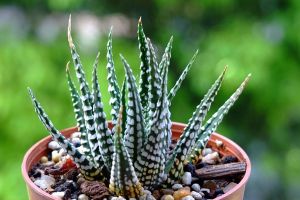
Growth Habits of Haworthia fasciata
Native to southern Africa. It likes warmth, dryness and bright light. It is not cold-tolerant, tolerates partial shade and drought, and fears excessive moisture and strong light.
Favorite temperature: 10-22°C, with the growing season in spring and autumn.
Watering: keep moist during the growing season
Light: bright light
Propagation: mostly by cuttings or division
Pests and diseases: Haworthia fasciata is extremely prone to root rot and whiteflies.
Companion planting suggestions: Sempervivum arachnoideum, Haworthia cooperi
Care Tips for Haworthia fasciata
Potting mix: when repotting in April-May each year, cut off the shriveled dead leaves at the base of the plant and any overly long fibrous roots. For potted plants, shallow planting is best; use a mix of leaf mold and coarse sand as the potting soil. Keep the potting soil slightly moist during the growing season.
Humidity: when the air is too dry, spray water to increase humidity. During the semi-dormant period in winter and midsummer, keep it dry and strictly control watering.
Fertilizing: fertilize once a month with diluted cake fertilizer water or a special fertilizer for potted flowers. When using liquid fertilizer, do not stain the leaves.
Propagation Methods of Haworthia fasciata
Cuttings: in May-June, gently cut off a fleshy leaf with a semi-lignified section at the base, let it dry slightly, then insert it into a sand bed; it will root in 20-25 days.
Division: can be done year-round; when repotting in April-May, peel off the young offsets growing beside the mother plant and pot them directly.
For more professional agricultural science and technology information, please scan the QR code to follow WeChat: NongXunNET

Please indicate the source when reprinting.