What are the other names for Pachyveria 'Clavifolia'? This article tells you
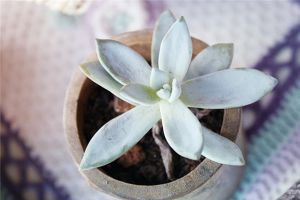
Growth Habits of Pachyveria 'Clavifolia'
Native to Mexico. It likes a warm, dry and sunny environment. Not cold-tolerant, drought-tolerant and tolerant of partial shade.
Favorite temperature: 18-25°C
Watering: once every 2 weeks during the growing season
Light: full sun
Propagation: by cuttings
Pests and diseases: rust disease, root-knot nematodes
Combination suggestions: Sedum adolphi, Sedum 'Burrito'
Care Tips for Pachyveria 'Clavifolia'
Watering: It grows rapidly in spring and autumn, so watering must be controlled, watering once every 2 weeks; the potting soil must never be too wet, to prevent leggy growth. In winter, water only 1-2 times, and keep the potting soil dry. When watering, do not spray water on the leaves or the leaf center.
Fertilizing: Fertilize once a month during the growing season, using diluted cake fertilizer water or "Huiyou" 15-15-30 special fertilizer for potted flowers. Fertilizer must never stain the leaf surface.
Pests: When root-knot nematodes occur, 3% carbofuran granules can be used for control.
Propagation Methods of Pachyveria 'Clavifolia'
Cuttings: In late spring, cut off mature leaves for cuttings, insert them in a sand bed, and they will take root after about 3 weeks; once young plants have grown, pot them up. Note that the cut should be flat, and insert only after the cut has dried. Stem-tip cuttings can also be used; leave the leaf rosette, and it can continue to produce more offsets.
For more professional agricultural science and technology information, please scan the QR code to follow WeChat: NongXunNET

Please indicate the source when reposting.