What is the character of the Echeveria pulvinata? Let the editor give you a detailed introduction
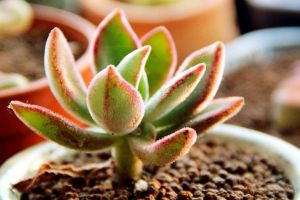
Common names of the Echeveria pulvinata
The Echeveria pulvinata is commonly known as fuzzy palm and white sparkling star.
Habits of the Echeveria pulvinata
The Echeveria pulvinata is a succulent plant of the Crassulaceae family, Echeveria genus, and summer is its period of vigorous growth.
The Echeveria pulvinata is native to Mexico. It likes a warm, humid, dry and sunny environment, and the most suitable growing temperature is 18~25°C.
The Echeveria pulvinata is drought-tolerant, not cold-tolerant, likes a semi-shaded environment, and avoids overly wet and waterlogged conditions. During the growing period, water once every two weeks.
Care tips for the Echeveria pulvinata
Watering: In summer, water once every two weeks, avoiding overly wet potting soil. In winter, keep the potting soil dry and water 1~2 times. When the air is too dry, try not to spray water directly on the leaves; only mist around the pot, so as to avoid water accumulating in the leaf rosette and causing the plant to rot.
Fertilizing: During the growing period, fertilize once a month with diluted cake fertilizer or a special organic fertilizer. When fertilizing, be careful not to stain the leaf surface, so as not to affect the plant's growth.
Repotting: Repot once every spring. When repotting, cut off the withered branches and leaves at the base of the plant and the overly long roots, and after some time it will sprout fresh green growth again.
Pests and diseases: Common pests and diseases include leaf spot disease and black weevil. Brown spots or black insects will appear on the tender green leaves. When pests or diseases are found, scrape them off or remove the diseased leaves promptly.
Propagation methods of the Echeveria pulvinata
Cuttings: The Echeveria pulvinata is usually propagated by cuttings in late spring. Cut off mature leaves or the rosette-shaped stem tip, insert them into a sand bed, and roots will form in about 3 weeks. After young plants grow, pot them up.
Division: The prerequisite for division is that many offsets have grown around the mother plant; they can be separated and planted in spring.
Suggested planting combinations: Sedum rubrotinctum and silver hand ball.
For more professional agricultural science and technology information, please scan the QR code to follow WeChat: NongXunNET

Please indicate the source when reprinting.