What environment gives saffron a growing advantage
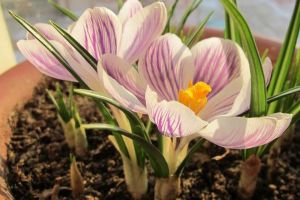
Other names for saffron
Fanhonghua, Xihonghua.
Habits of saffron
Saffron is a typical autumn-planted bulbous flower, native to southern Europe, and it prefers cool, humid, and semi-shaded environments, and is relatively cold-tolerant.
Saffron is suitable for growing in well-drained sandy loam rich in humus. pH value 5.5-6.5.
Saffron corms lie dormant in summer, and in autumn they send out roots and sprout leaves. 10 late month flowering, the flowers open by day and close at night.
The value of saffron
Medicinal: saffron is a famous and precious traditional Chinese medicinal material. Its dried stigmas are sweet in taste and neutral in nature, and can invigorate the blood and dissolve stasis, disperse depression and open knots, and relieve pain. It is used to treat anxiety and depression, chest and diaphragm fullness and oppression, vomiting blood, typhoid madness, fright and trance, women's amenorrhea, blood-stagnation irregular menstruation, incomplete postpartum lochia, pain from blood stasis, measles, bruises and injuries, etc.
Dietary: saffron is used as a coloring and flavoring seasoning in Mediterranean regions, Eastern dishes, Arab and Indian cuisine, and in breads of the United Kingdom, Scandinavia, and the Balkans. It is also an important ingredient in French bouillabaisse and Spanish paella. Common ways to consume it include taking it orally, soaking it in water, soaking it in alcohol, using it in meals, and steaming eggs, but saffron should not be used in too large an amount.
Spice: saffron's pungent golden stigmas are very precious, used for flavoring and coloring food, and also used as a dye.
Saffron flower language
Happiness.
For more professional agricultural science and technology information, please scan the QR code to follow WeChat: NongXunNET

Please indicate the source when reprinting.