What are the alternative names of Lithops fulviceps? A detailed introduction to its common aliases
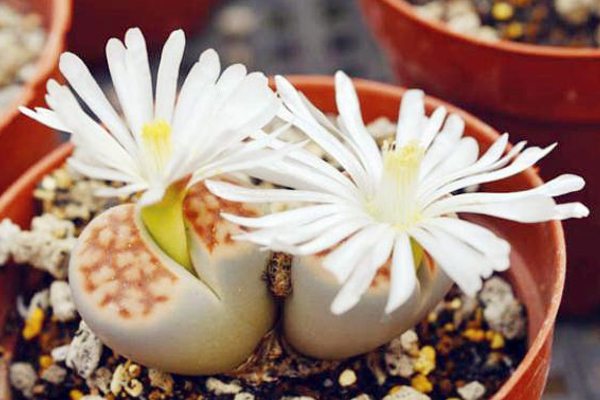
Habits of Lithops fulviceps
Lithops fulviceps is a succulent plant in the genus Lithops of the family Aizoaceae, and autumn and winter are its growing seasons.
Lithops fulviceps is native to South Africa and likes a warm, dry, sunny environment. Its most suitable growing temperature is 15~25°C.
Lithops fulviceps is drought-tolerant and afraid of waterlogging. During the growing season, watering once every 3 weeks is enough, keeping the potting soil slightly moist. It is not cold-tolerant, so move it indoors to a sunny spot for care in winter.
Common propagation methods for Lithops fulviceps: cuttings and sowing.
Planting and Care Tips for Lithops fulviceps
Care Tips for Lithops fulviceps
Repotting: Repot once every 2 years. When repotting, use a mix of leaf mold, potting soil and coarse sand, adding a small amount of cow manure or bone meal. Note that Lithops fulviceps has few and shallow roots. After repotting, place a layer of pebbles on the surface of the potting soil, which is both attractive and provides support.
Watering: Keep the potting soil moist during the growing season. In summer, when temperatures are high, provide appropriate shade and reduce watering. After it turns cooler in autumn, keep the potting soil slightly moist, and in winter keep the potting soil slightly dry.
Fertilizing: Fertilize once every half month during the growing season, using decomposed liquid fertilizer or special organic fertilizer for succulents. Stop fertilizing after flowering in autumn.
Note: In spring, Lithops fulviceps will show skin shedding, with a layer of white dead leaves on the surface. At this time, water should be properly controlled to let it slowly recover.
Propagation Methods for Lithops fulviceps
Sowing: Usually sow in pots in spring and early summer, controlling the temperature at 19~24°C. After sowing, it germinates in 7~10 days. Lithops fulviceps grows slowly and is difficult to care for. Watering must be done carefully, and attention should be paid to keeping it warm in winter and cool in summer. After sowing and surviving, it takes 2~3 years to bloom.
Suggested planting combinations: Cotyledon tomentosa and Sedum rubrotinctum.
For more professional agricultural science and technology information, please scan the QR code to follow WeChat: NongXunNET

Please indicate the source when reprinting.