Kalanchoe luciae (Flapjack): Distribution Range and Growth Habits Explained
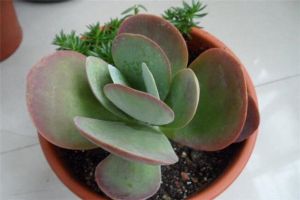
Growth Habits of Kalanchoe luciae
Kalanchoe luciae is native to South Africa. It prefers a warm, dry and sunny environment. It is not cold-tolerant. It is drought-tolerant but not tolerant of waterlogging.
Favorite temperature: 15-20°C
Watering: water 1-2 times per week during the growing season
Light: full sun
Propagation: mostly by cuttings and leaf cuttings
Pests and diseases: leaf spot, whitefly, etc.
Suggested companion: Sedum rubrotinctum
Care Tips for Kalanchoe luciae
Potting mix: repot every spring. Use a mix of leaf mold, potting soil and coarse sand.
Watering: water 1-2 times per week during the growing cycle, keeping the soil moist but not waterlogged. When temperatures drop in autumn and winter, reduce watering. Strictly control watering in midsummer and winter. In winter, leaves turn red under bright light.
Fertilizing: fertilize once a month during the growing season, using diluted cake fertilizer water or "Huiyou" 15-15-30 special fertilizer for potted flowers.
Propagation Methods of Kalanchoe luciae
Cuttings: during the growing season, cut mature top stems, let the cut dry, then insert into a sand bed; roots form in 8-10 days, and after another week they can be potted.
Leaf cuttings: cut fully grown leaves, lay them flat on a sand bed, mist to keep moist; roots form 10-15 days after planting, and when adventitious buds grow from the leaf base to form young plants, pot them up.
For more professional agricultural science and technology information, please scan the QR code to follow WeChat: NongXunNET

Please indicate the source when reposting.