What are the other names for the zebra haworthia? So it can be called this
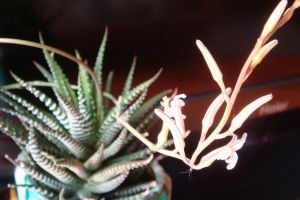
Growth habits of the zebra haworthia
Native to South Africa. It likes warmth, dryness and bright light. It is not cold-tolerant, tolerates partial shade and drought, and fears waterlogging and strong light.
Favorite temperature: 10-22°C, with the growing period in spring and autumn.
Watering: keep moist during the growing period
Light: bright light
Propagation: mostly by cuttings or division
Pests and diseases: the zebra haworthia is extremely prone to root rot and whiteflies.
Combination suggestions: Sempervivum 'Roof Houseleek', Haworthia 'Zi Bao'
Care tips for the zebra haworthia
Potting soil: when repotting in April-May each year, cut off the shriveled dead leaves at the base of the plant and the overly long fibrous roots. Shallow planting is best for pots, and the potting soil should be a mix of leaf mold and coarse sand. Keep the potting soil slightly moist during the growing period.
Humidity: when the air is too dry, spray water to increase humidity. In winter and the semi-dormant period of midsummer, keep it dry and strictly control watering.
Fertilizing: fertilize once a month, using diluted cake fertilizer water or a special fertilizer for potted flowers. When using liquid fertilizer, do not let it stain the leaves.
Propagation methods of the zebra haworthia
Cuttings: in May-June, gently cut off the fleshy leaves with a semi-lignified part at the base, let them dry slightly, then insert them into a sand bed; they will root in 20-25 days.
Division: can be done year-round; when repotting in April-May, peel off the young plants growing beside the mother plant and pot them directly.
For more professional agricultural science and technology information, please scan the QR code to follow WeChat: NongXunNET

Please indicate the source when reprinting.