This succulent also has these aliases, did you know
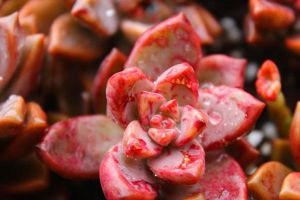
This succulent is a succulent plant of the Crassulaceae family, Graptopetalum genus. Its plant shape is very similar to that of the Echeveria genus, the petals are waxed, and the leaf surface has white powder. It is usually green, and when sunlight is sufficient the leaf color becomes vermilion with brown. With proper care it will produce small yellow star-shaped flowers.
Morphological characteristics of the succulent
This succulent is a perennial succulent herb, and its plant shape is very similar to that of the Echeveria genus, but this genus does not have urn-shaped or bell-shaped flowers, instead having star-shaped flowers. The petals are waxed, and the leaves are arranged in an elongated rosette, covered with white powder or with whiskers at the leaf tips. The leaf color is vermilion with brown, the leaves are melon-seed shaped, the leaf ends are rather pointed, and it bears small yellow flowers, star-shaped.
Growth habits of the succulent
This succulent likes a sunny, warm and dry environment, and is drought-tolerant.
It likes a sunny, warm and dry environment, and is drought-tolerant.
Spring and autumn are the main growing seasons for plants of the Echeveria genus. Generally, apply a decomposed dilute liquid fertilizer about once every 20 days, and do not splash the fertilizer water onto the leaves when fertilizing. In summer, when temperatures are high, place the plant in a ventilated spot for care, avoid exposure to the scorching sun, and control fertilization and watering.
For more professional agricultural science and technology information, please scan the QR code to follow WeChat: NongXunNET

Please indicate the source when reprinting.