What are the characteristics and symbolic meaning of the mulberry tree
The mulberry tree is surely familiar to everyone, and mulberries are an especially delicious food. The mulberry tree is a woody plant, and the plant is relatively tall, but it can also be made into a bonsai.
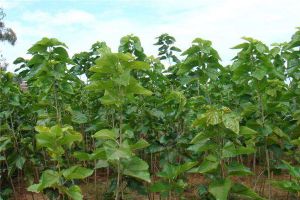
Distribution of the mulberry tree
The mulberry tree has a very long history in China, and it is widely cultivated, basically being suitable for most regions of China.
Growth habits of the mulberry tree
The mulberry tree relatively likes light, and it has strong adaptability to climate; it can tolerate cold and can also grow in relatively warm environments. It is relatively drought-tolerant and can also tolerate waterlogging. It has strong adaptability to soil and likes loose, fertile soil.
The mulberry tree is a relatively fast-growing plant, is relatively tolerant of pruning, and has a relatively long lifespan.
Uses of the mulberry tree
The uses of the mulberry tree are still relatively great. I believe many people know that mulberry leaves can be used to feed silkworms. However, most people's impression of it now is of its fruit - mulberries. Mulberries are the fruit of the mulberry tree. The ripe fruit is very delicious, sweet and sour, and highly edible. In addition, it also has certain medicinal value and has a very good health-care effect on the human body. People all regard it as an excellent food therapy product.
For more professional agricultural science and technology information, please scan the QR code to follow WeChat: NongXunNET

Please indicate the source when reprinting.