What are the characteristics of Cryptanthus? A comprehensive guide to this plant
Alternative names of Cryptanthus
Comb-leaf Cryptanthus, also known as small-flowered Cryptanthus.
Morphological characteristics of Cryptanthus
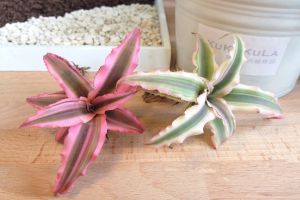
Cryptanthus has a tuberous rhizome underground and generally no stem above ground. The branches and leaves grow densely from the rhizome; the leaves are greenish brown, narrowing from wide at the base into a strap shape, and are characterized by being numerous and hard.
The leaf edges are wavy and have soft spines; the underside of the leaves has white scale-like structures. The flowers are relatively small and white, and the plant is monoecious.
Variety classification of Cryptanthus
Bicolor Cryptanthus: also known as double-striped Cryptanthus. The leaves are green with red and yellow longitudinal stripes.
Tiger-stripe Cryptanthus: named for its stripes that resemble tiger markings; the leaves grow in clusters, with the middle leaves larger, and the leaves have horizontal stripes alternating red, yellow and white.
Red-leaf Cryptanthus: the leaves are relatively short, alternating red-yellow or red-brown.
Growth habits of Cryptanthus
Cryptanthus by nature prefers high temperatures, high humidity and semi-shade, and fears direct sunlight and waterlogging, but it is not drought-tolerant. It is suitable for growing in loose, fertile, humus-rich, well-aerated sandy soil.
Uses of Cryptanthus
Each Cryptanthus plant has a relatively regular shape and rich colors, so it can be used as greening and landscaping material. Cryptanthus is suitable as an indoor ornamental decoration, and can also be used to make xerophytic bonsai or bottle-planted plants; it can also be cultivated indoors as a hanging plant or planted outdoors on rockery stones, all of which are good choices.
For more professional agricultural science and technology information, please scan the QR code to follow WeChat: NongXunNET

Please indicate the source when reprinting.