What plant is small-leaf red sandalwood? An introduction to its morphological characteristics and main uses
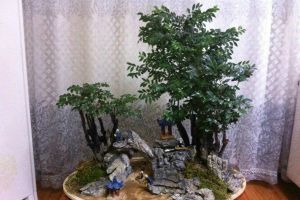
Introduction to small-leaf red sandalwood
Sandalwood red sandalwood is mostly produced in tropical and subtropical primeval forests, with Indian red sandalwood being the finest. It is often said that of ten sandalwood trees, nine are hollow; the largest red sandalwood trunk is only about 20 cm in diameter, so its rarity can well be imagined.
Red sandalwood is hard in texture, and its color ranges from deep black to red, varied and diverse, with fine, dense grain. There are many kinds of red sandalwood. Red sandalwood grows slowly, adding only one annual ring in 5 years, and takes more than 800 years to mature. Its hardness ranks first among woods, and it is called the "wood of emperors," beyond the compare of ordinary woods.
After polishing, the wood is extremely oily, with a luster like rhinoceros horn, and has fine, beautiful, vivid ox-hair grain. Its color is deep purple or blackish purple, deep and steady, making it an excellent material for making furniture.
In the early Qing Dynasty, red sandalwood furniture was almost monopolized by the imperial court, and the Ministry of Revenue specially set up purchasing points in South Asia and Southeast Asia to procure red sandalwood for the court. After the reform and opening up, as everyone's income increased and life improved, a fondness for classical traditional furniture gradually became a fashion.
Red sandalwood furniture became a favorite for use and collection by the middle class. Market demand grew day by day, and in addition, red sandalwood was about to be included in environmental protection listings, with logging prohibited, and was to enter the same protected category as ivory and rhinoceros horn.
Relevant countries also strictly control exports. Therefore, the price of red sandalwood rose rapidly, increasing by more than tenfold compared with five years ago, and the current market price has exceeded one million yuan per ton.
For more professional agricultural science and technology information, please scan the QR code to follow WeChat: NongXunNET

Please indicate the source when reprinting.