Bud drop is even more heartbreaking than failure to bloom
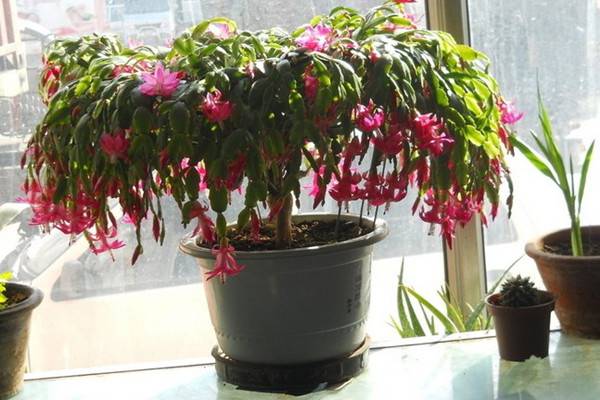
Cause 1: Changes in the environment
Many flower enthusiasts encounter this situation: they buy a plant covered in buds from the flower market, and a few weeks after bringing it home, the leaves start turning yellow, and soon after, the buds begin to drop. In the end, they never even get to see what a gardenia looks like.
Cause of bud drop
A flowering plant with buds is at its most physiologically active stage, and at this time its demands on the growing environment are higher than at any other time. So when you suddenly move it from a warm, humid greenhouse to a cold, dry home, it simply cannot adapt, just as a person suddenly changing environments may struggle to adjust. The plant then cannot absorb enough nutrients to nurture its buds, which leads to bud drop.
Solutions
1. When buying flowers at the flower market, be sure to choose relatively robust and lush plants; their resistance and adaptability are much better than those of weak plants, so the chance of bud drop is relatively lower.
2. For a newly purchased plant, try to create a growing environment with temperature and humidity close to those of the market greenhouse, so it can adapt as quickly as possible and continue to develop buds and bloom.
Cause 2: Repotting and disturbing the soil
Many flower enthusiasts rush to change the soil as soon as they bring a potted plant home. As a result, the day after changing the soil, the plant wilts. You think it may lack light, so you move it to a sunny spot for a day, and then you end up with nothing but a dried-up corpse.
Cause of bud drop
The bud stage is like a woman's pregnancy: it requires a large amount of food to supplement the nutrients and energy needed for blooming. If you suddenly change its soil, the roots cannot yet absorb nutrients from the new soil, and the buds cannot keep up with their nutritional needs, which leads to bud drop.
Solutions
1. Some potting soil sold at the flower market is very poor, but do not change it right away. After bringing it home, keep it in a bright, indirectly lit, ventilated place for 2 weeks, and only then begin to change the soil.
2. Note that after changing the soil, do not put it in the sun. After watering thoroughly, keep it in a bright, indirectly lit, ventilated place for 1-2 weeks first, and then let sun-loving flowers gradually be exposed to sunlight.
Cause 3: Improper fertilisation
During the bud stage, what flowers need most is phosphorus fertiliser. At this time, if only nitrogen fertiliser is applied, branches and leaves will grow lushly while buds remain sparse; if no fertiliser is applied at all, flower bud differentiation will not receive enough nutrients, causing bud drop or no buds at all.
Solutions
1. Before the flowering period, apply more flower fertiliser containing relatively more phosphorus, or spray the leaves with potassium dihydrogen phosphate solution.
2. Note that fertiliser should be applied lightly, and the frequency should be controlled to prevent over-fertilisation, which can burn the roots and affect flowering.
Cause 4: Improper watering
During the bud stage, plants are also very strict about water requirements. If there is severe water shortage, or if there is too much water and the roots cannot breathe properly, both can lead to bud drop.
Solutions
During the bud stage, observe frequently and water appropriately according to your usual care routine. If it is summer and the weather is dry, you can spray water around the plant in the morning and evening to maintain humidity.
Cause 5: Improper lighting
Most plants need sufficient light to bloom. If they do not receive enough light during the bud stage, the leaves cannot carry out photosynthesis and store more energy for blooming.
Solutions
According to the plant's habits, ensure sufficient light during the bud-development and flowering period. If conditions allow, be sure to let it receive outdoor light, so the flowers will be larger and more vibrant.
Cause 6: Lack of pruning
For most plants to bloom abundantly and with large flowers, pruning is necessary. Without pruning, leggy growth occurs, nutrients are all consumed by branches and leaves, flower bud differentiation is disrupted, and bud drop can also result.
Solutions
During the growing period, be sure to prune and pinch back the plant, especially for herbaceous flowers such as petunia and lobelia. The flower buds that first appear can be pinched off to promote side branch development, and once the plant is full enough, let it bloom.
Cause 7: Damage from pests and diseases
If a plant is attacked by pests and diseases, such as aphids, red spider mites, powdery mildew, downy mildew, etc., the buds will be damaged and the plant will drop its buds.
Solutions
Observe the plant's condition at all times. If pests or diseases are found, treat them immediately. In ordinary care, appropriate sprays can be used preventively.