What are the characteristics of Dichondra? This article explains it all
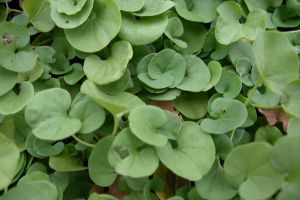
Dichondra is a plant in the genus Dichondra, family Convolvulaceae. It is distributed in areas south of the Yangtze River in China and elsewhere, is a perennial creeping herbaceous plant, and is a resource-rich folk medicinal herb of the Miao people.
Alternative names of Dichondra
Dichondra, also known as Kidneyweed, Yellow Ball Grass, Pouch Grass, Soft Tender Shoot Grass, Golden Rope Arrow, Ground Cover Grass, Wine Cup Nest, Golden Frog Ear, Chicken Eye Grass, Little Lantern Vegetable, Little Centipede Grass, Small Creeping Groundsel, Ground Not Spreading, Apricot Seed Grass, Small Round Treasure Grass, Ground Penny, Little Toad Bowl, Nine-Connected Ring, Jade Stone Swallow, Small Creeping Penny.
Growth habits of Dichondra
It grows in semi-shaded, moist, fertile fields or mountain areas. It is shade-tolerant, moisture-tolerant, slightly drought-tolerant, and only tolerates light trampling. When the temperature drops to -6°C to -7°C, it will suffer frost injury. Once successfully established, it can grow vigorously and set its own seed. It has strong adaptability.
Landscape uses of Dichondra
Dichondra plants are low-growing, with well-developed roots and stems, remain green all year round, have strong resistance, and have a high coverage rate, making them worthy of being called a "green carpet". They are suitable for cultivation and ornamental display in parks, government offices, courtyard green spaces, and similar sites, and can also be used as soil-fixing material for ditch slopes, embankment slopes, roadsides, and similar areas.
For more professional agricultural science and technology information, please scan the QR code to follow WeChat: NongXunNET

Please indicate the source when reprinting.