What makes kalanchoe so special? This article tells you all about it
Common names of kalanchoe
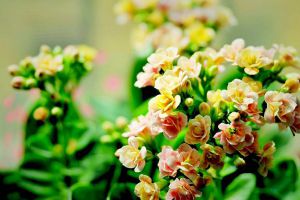
Kalanchoe is commonly known as "shouxing hua" (longevity star flower) and "haoyun hua" (good luck flower); its scientific name is also Christmas kalanchoe.
Habits of kalanchoe
Kalanchoe belongs to the genus Kalanchoe in the Crassulaceae family. Its suitable growing period is summer.
It is native to Madagascar. It likes a warm, slightly humid environment with plenty of sunlight.
It is drought-tolerant, afraid of high temperatures, tolerant of partial shade, afraid of waterlogging, and not cold-hardy. The optimal growing temperature is 15-25°C. In summer, when high temperatures exceed 30°C, growth is hindered; in winter, when temperatures fall below 5°C, the leaves turn red and flowering is delayed.
For home care, kalanchoe is usually propagated by cuttings. Common pests and diseases include: leaf spot disease and scale insects.
Planting and care tips for kalanchoe
Care tips for kalanchoe
Repotting: Repot after spring each year, using a potting mix of fertile garden soil, peat, and sand. The potting soil should not be too wet.
Watering: During the growing period, water 1-2 times per week. In midsummer, control watering and ensure good ventilation. If it is hot and humid, the leaves easily turn yellow and drop.
Fertilizing: During the growing period, fertilize once every half month. In autumn, when flower buds form, apply 1-2 additional applications of phosphorus and potassium fertilizer.
Light and temperature: Kalanchoe is a short-day plant and is relatively sensitive to photoperiod. For well-growing plants, giving short-day treatment (8-9 hours per day) for 3-4 weeks will produce flower buds and blooms.
Propagation methods for kalanchoe
Cuttings: Best done in May-June or September-October. Choose slightly mature fleshy stems, cut 5-6 cm long, insert them into a sand bed, water, and cover with plastic film. Keep room temperature at 15-20°C. After insertion, roots form in 15-18 days, and they can be potted in 30 days. A 10 cm pot is commonly used. If there are not many seedlings, leaf cuttings can be used. Cut a healthy, plump leaf from the petiole, let the cut end dry slightly, then insert it obliquely or lay it flat on a sand bed and maintain humidity. After about 10-15 days, roots can grow from the base of the leaf and new plants will grow.
Suggested planting combinations: Sedum adolphi and Sedum rubrotinctum
Note: If the indoor temperature is too low, kalanchoe will only grow flower buds and delay flowering.
For more professional agricultural science and technology information, please scan the QR code to follow WeChat: NongXunNET

Please indicate the source when reprinting.