What are the characteristics of the Easter cactus? A complete guide to this plant
The Easter cactus is a cactus-family plant and blooms beautifully, so many flower lovers are interested in the Easter cactus.
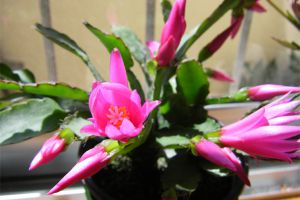
Other names for the Easter cactus
Weeping cactus, bright red Christmas cactus, jointed leaf cactus
Growing habits of the Easter cactus
The Easter cactus is a plant that prefers a warm, humid environment; in summer it requires shade, and in winter it requires sufficient light, so it should be grown and cared for in a sunny environment.
The soil should be loose, well-draining sandy soil; the optimum growing temperature is around 22°C, and the overwintering temperature needs to be kept above 10°C.
Propagation methods of the Easter cactus
Cuttings: when taking cuttings, use the modified stems for propagation. The potting soil can be a mix of peat soil, coarse sand and furnace slag to ensure sufficient nutrients.
In winter the Easter cactus is in its dormant period; at this time watering should be controlled, fertilizing stopped, and sufficient light must be ensured.
Grafting: grafting is usually done in spring and autumn. The rootstock used for grafting is mostly Hylocereus undatus, and then one scion is grafted onto each of the three ribs; in winter you can bind it with plastic strips and cover it with a plastic bag, placing it in a shaded spot for care. Generally, 40 days after grafting, the potted seedling can be moved to a spot with light for normal care and management.
Sowing: sowing propagation is mostly used for breeding new varieties; after sowing, the Easter cactus can sprout in about 3 weeks.
For more professional agricultural science and technology news, please scan the QR code to follow WeChat: NongXunNET

Please indicate the source when reprinting.