What are the alternative names for the Panda Plant? Learn its other names
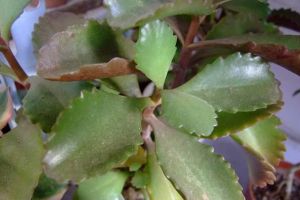
Growth Habits
Native to Madagascar. Prefers a warm, dry and sunny environment. Drought-tolerant, afraid of waterlogging. In winter, not below 10℃.
Favorite temperature: 15-20℃
Watering: 1-2 times per week during the growing season
Light: full sun
Propagation: cuttings
Pests and diseases: brown spot disease, whiteflies
Combination suggestions: small ball rose, Huangli
Care Tips for the Panda Plant
Repot every spring, and prune the plant when repotting. Use a mixed soil of leaf mold, nutrient soil and coarse sand as the potting mix. After potting, place it in the sun to grow. If kept in shade for a long time, the stems and leaves tend to grow leggy, the internodes are not compact, and the leaves are dull and lusterless. During the growing season, the potting soil should not be too moist; water once a week. During the growing season, fertilize once a month or use a special fertilizer for potted flowers. If there is too much fertilizer and water, the plant's internodes will stretch, the leaves will become soft, and it will be prone to disease.
Propagation Methods for the Panda Plant
Cuttings: can be done all year round, but spring and autumn are best. Cut mature top branches for cuttings; they root in about 7-10 days after insertion.
For more professional agricultural science and technology information, please scan the QR code to follow WeChat: NongXunNET

Please indicate the source when reprinting.