What are the characteristics of the tiger's jaw? A complete guide to its features
Habits of the tiger's jaw
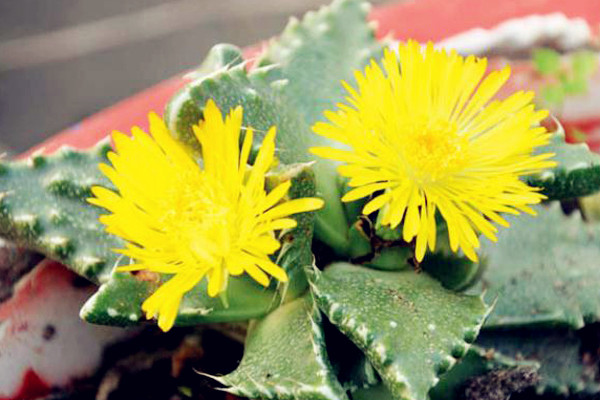
The tiger's jaw is a succulent in the Aizoaceae family, genus Faucaria. Spring and autumn are its periods of vigorous growth.
The tiger's jaw is native to South Africa and likes a warm, dry, sunny environment. Its most suitable growing temperature is 18~24°C. It is not cold-tolerant but is drought-tolerant and can receive sunlight all day. The growing location should be bright and avoid direct strong light.
Common propagation methods for the tiger's jaw: division, sowing.
Planting and care tips for the tiger's jaw
Care tips for the tiger's jaw
Watering: It is drought-tolerant. During the spring and autumn growing season, water once every 2 weeks to keep the potting soil slightly moist. In high summer temperatures, reduce watering. In winter, water once every 6 weeks to keep the potting soil dry. Be careful not to wet the base of the leaves when watering.
Light: Full sun, with appropriate shading in summer. You can spread a layer of small gravel on the surface of the potting soil to help raise the soil temperature and promote flowering.
Fertilizing: It quite likes fertilizer. Fertilize once a month during the growing season. In summer the tiger's jaw is dormant, so pause fertilizing.
Repotting: Repot every spring. When repotting, cut off the shrunken leaves at the base.
Pests and diseases: Common pests and diseases include leaf spot and mealybugs. Once found, promptly remove diseased leaves and spray with pesticide.
Propagation methods for the tiger's jaw
Division: Do this in 4~5 month together with repotting. Remove the plant from its pot and cut it apart from the roots. Plant the small offsets that already have roots directly, while rootless plants can first be inserted into a sand bed, then potted after they root.
Sowing: Sow indoors in pots in 4~5 month, keeping the temperature at 22~24°C; they will germinate in 2~3 weeks.
Suggested planting combinations: Sedum album (white stonecrop), Echeveria pulvinata.
For more professional agricultural science and technology information, please scan the QR code to follow WeChat: NongXunNET

Please indicate the source when reposting.