What are the characteristics of Verbena? A detailed explanation of its morphological features and growth habits
Verbena is a perennial herbaceous plant, with a suitable growth temperature of 5~25°C. It is native to South America. The flowers are white, red, blue, snow blue, pink, etc., and the flowering period is from May to November. It is very robust and deeply loved by flower enthusiasts.
Other names of Verbena
Grass five-color plum, creeping verbena, ground cover brocade, four-season hydrangea, beauty verbena
Morphological features of Verbena
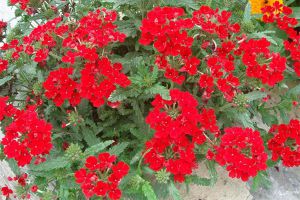
The whole plant has fine hairs, the plant grows in clumps and spreads over the ground, plant height 10~50 cm, stems four-angled; leaves opposite, dark green; spike inflorescences terminal, densely arranged in corymb form, flowers small and dense, in white, pink, red, bicolor, etc., and fragrant.
Ecological habits of Verbena
It likes sunlight and is not tolerant of shade, is relatively cold-tolerant, poor in shade tolerance, and not drought-tolerant. In the north it is mostly cultivated as an annual herbaceous flower, and it can bloom normally in hot summers. When grown in sunny, loose and fertile soil, it blooms profusely.
It likes a warm and humid climate, likes sun, is not drought-tolerant, and has no strict soil requirements, but in loose, fertile, and relatively moist neutral soil it can root at each node, grow robustly, and bloom profusely. In Shanghai, in areas with a relatively warm microclimate, it can overwinter outdoors.
Flower language of Verbena
Mutual companionship, family harmony.
For more professional agricultural science and technology information, please scan the QR code to follow WeChat: NongXunNET

Please indicate the source when reposting.