What other names is Aloe nobilis also known by?
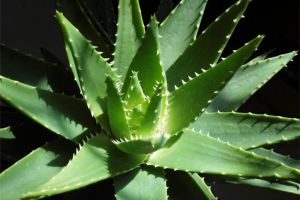
Common names of Aloe nobilis
Aloe nobilis is also called "Da Cui Pan" and "Gao Shang Aloe"
Habits of Aloe nobilis
Aloe nobilis belongs to the genus Aloe in the Liliaceae family, and winter is its vigorous growing season.
It is native to South Africa. It likes a warm, arid, dry and sunny environment. It grows best at 15~25°C, and will suffer frost damage below zero degrees, and growth nearly stops at around 10°C.
Home care usually uses division and cuttings for propagation. Common pests and diseases include: gray mold and whiteflies
Care tips for Aloe nobilis
Repotting: repot every year in early spring. Because Aloe nobilis has a well-developed root system, it needs repotting once a year. The potting soil should be a loose, fertile, well-drained and airy sandy soil. You can use 2 parts leaf mold or peat soil and 2 parts sand or vermiculite, 1 part garden soil, plus a small amount of decomposed bone meal or plant ash as a base fertilizer.
Watering: water less right after planting; during the growing season, water a little more and keep the potting soil moist. When the weather is dry, you can spray water on the leaves, but a single pot should not be too wet. In summer, when the temperature is too high, it enters a dormant period and watering should be controlled. In winter, reduce watering and keep the potting soil dry.
Fertilizing: fertilize once every half month during the growing season.
Light and temperature: it likes full, bright but gentle all-day sunlight. The day length and intensity in spring and autumn are most suitable for its growth. For home potted plants, in spring and autumn they can be placed on the balcony to receive direct sunlight; in summer, place them in a well-ventilated semi-shaded spot; in winter, place them indoors in a sunny place for care.
Propagation methods of Aloe nobilis
Division: from March to April, separate the densely growing young plants around the mother plant and plant them. If the young plants have few or no roots, they can first be inserted into a sand bed, and after rooting, pot them up.
Cuttings: do this after flowering from May to June, cut 10~15 cm of the short top stem, let the cut dry, then insert it into a sand bed. Do not water too much. After insertion, it roots in about 2 weeks.
Suggested planting combinations: Euphorbia tirucalli, Mammillaria gracilis
Note: after Aloe nobilis is exposed to rain, its leaves are prone to yellowing and rotting.
For more professional agricultural science and technology information, please scan the QR code to follow WeChat: NongXunNET

Please indicate the source when reposting.