Omoto Nipponlily has these other names too, how many do you know?
Omoto Nipponlily is a perennial evergreen herbaceous plant, native to southern China and Japan, with emerald green leaves that stay evergreen through all four seasons. In winter, the green leaves paired with red fruits look elegant and beautiful, carrying the fine meanings of everlasting youth, health and longevity, enduring friendship, and wealth and good fortune.
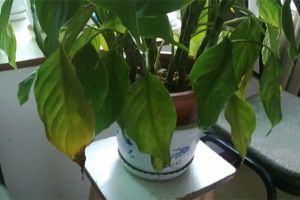
Omoto Nipponlily's other names
Omoto Nipponlily is also called Baiheche, Ka Hou Jian, Jiujielian, Dongbudiao, and Tiebiandan.
Omoto Nipponlily's growing habits
Omoto Nipponlily likes to grow in damp spots under forest trees or in grassland.
It prefers a semi-shaded, warm, moist, well-ventilated environment. It is not drought-tolerant, slightly cold-tolerant; it dislikes direct sunlight and waterlogging.
It can be grown in ordinary garden soil, but the best is slightly acidic sandy loam rich in humus, loose and well-drained.
Omoto Nipponlily's uses and effects
Omoto Nipponlily is used in medicine as its rhizome or whole plant, and has effects such as clearing heat and detoxifying, strengthening the heart and promoting diuresis. However, the sap of Omoto Nipponlily is toxic, and generally the tissue fluid of the stem is the most toxic. Getting it on the hands or skin can cause an allergic reaction.
Omoto Nipponlily's propagation methods
Propagation methods can be seed sowing or division.
For more professional agricultural science and technology news, please scan the QR code to follow WeChat: NongXunNET

Please indicate the source when reprinting.