What other names and elegant names does the African jasmine have?
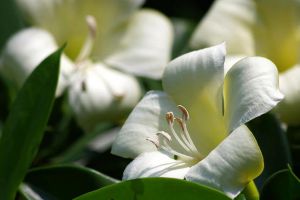
Alternative names for African jasmine
Carp gall, grey thorn wood, bamboo yellow fruit, small yellow fruit
Growth habits of African jasmine
The African jasmine originally grows in mountain dense forests or broad-leaved forests in limestone areas at an altitude of 500-1800 m. It likes warmth and sunlight, but direct sunlight should be avoided. It prefers a high-humidity, well-ventilated environment and is not cold-tolerant; a sudden drop in temperature can easily kill the plant. It is suitable for growing in loose, fertile soil with good drainage.
The most suitable temperature for the growth of African jasmine is 18°C to 32°C. When the summer temperature exceeds 38°C, growth will slow down. In some parts of South China, ground-planted specimens can overwinter outdoors, while potted plants north of the Yangtze River require a winter greenhouse temperature of no less than 3°C to 5°C, and at least above 0°C, otherwise the leaves and tender shoots are very likely to be frostbitten.
When strong cold air from the north moves south and causes a sharp temperature drop, heating should be increased appropriately to ensure the temperature does not fall below 10°C; otherwise, frost-damaged plants will find it very difficult to resume growth in a short time the following year. For the small number of potted plants placed in offices or homes, in addition to covering them with double-layer plastic film bags, the air conditioner or heater can be turned on at night; this must not be taken lightly.
Flower language of African jasmine
The flower language is simple and natural, pure and clean.
For more professional agricultural science and technology information, please scan the QR code to follow WeChat: NongXunNET

Please indicate the source when reprinting.