Be on the alert when your pothos or snake plant grows these spots, or they will all die within days
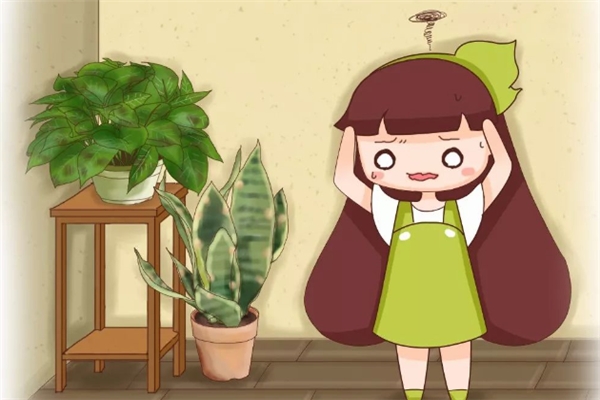
When your pothos grows these spots, cut them off right away!
Everyone knows that pothos is an especially, especially cold-sensitive plant. Once the temperature drops below 10 degrees, spots will appear, and the leaves and stems may even all wilt. You have to deal with it right away, otherwise it will certainly freeze to death.
1. Cut off the pothos leaves with spots to avoid wasting more nutrients. If all the leaves have wilted and collapsed, then be ruthless and cut off all the stems and leaves.
2. Cover the trimmed pothos with a plastic bag to keep it warm, but be sure to cut a few openings for ventilation, then place it somewhere as warm as possible, above 10 degrees.
3. Control watering. If the temperature is below 10 degrees, do not water thoroughly for now; just water a little around the edge of the pot every 2 weeks, and do not soak it through. If the temperature is above 10 degrees, you can water once every 7-10 days or so.
4. In winter, place the pothos somewhere with good light and let it get plenty of sun so it will not get frostbitten.
When your snake plant grows these spots, treat it right away!
People who grow snake plants will notice that various spots often appear on its leaves for no apparent reason. In fact, this is mainly caused by a bacterial or fungal infection triggered by overwatering, and measures need to be taken promptly, otherwise the spots will keep getting bigger and bigger and cause the whole plant to die.
1. If the spotted area is not large, use a utility knife to gouge out the spotted part of the snake plant; if the spotted area is too large, cut off the entire leaf with spots.
2. Apply wood ash or carbendazim to the wound on the snake plant to prevent infection.
3. Place the snake plant somewhere with indirect light and good ventilation. For now, do not let the wound touch water, and do not water the potting soil for the time being, and wait for the wound to heal.
4. When watering the snake plant normally, be sure to keep the potting soil on the dry side and only water when it is dry. In winter, watering once or twice a month is enough. In addition, after the wound heals, you can mix carbendazim with water at 1000 times dilution once a month and water the snake plant's potting soil with it to sterilize and disinfect. Be careful not to pour the water onto the snake plant's leaves.
When your clivia grows these spots, cut them off right away!
Clivia is also prone to spots. Yellow spots growing on its glossy green leaves really look ugly! What causes it? It is mainly diseases triggered by pests and diseases, such as leaf spot disease, southern blight, soft rot, and anthracnose. How exactly do you treat them?
1. Cut off the leaves with spots. After cutting, place it somewhere ventilated to prevent it from infecting other healthy leaves.
2. Check whether other parts of the leaves have pests such as scale insects. If there are any, scrape them off and kill them quickly!
3. Spray the leaf surface with a 50% carbendazim solution or amobam. Carbendazim (amobam): clean water = 1:1000, once a week for 3-4 times in a row. Be careful not to let water get into the leaf core, as it easily rots.
4. If spots still grow one month after spraying the leaf surface, then it is a soil problem. The soil is too wet, or the soil's fertilizer was not fully fermented, or there are pathogens in the soil. At this point, you need to change the soil and repot the clivia.
5. Normally, when fertilizing clivia, do not apply only nitrogen fertilizer; apply more phosphorus and potassium fertilizer. That way, its resistance will be higher and it will be less likely to attract disease!
Now you know the above methods,
so when spots appear on your plants at home,
you will not be caught off guard, right?
If you find this useful, you can help Huahua share it with more friends!