Peppermint Cultivation Techniques and Field Management Methods
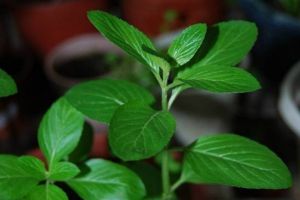
Other Names for Peppermint
Mentha piperita.
Growth Habits of Peppermint
Peppermint originated in Europe, was introduced to the United States in the 19th century, and later spread to Australia, India, China, Japan, Korea, and elsewhere.
Peppermint prefers a warm, humid environment. During the growing season it can generally withstand high temperatures of 40°C. The above-ground parts of mature plants gradually wither after heavy frost, while the underground parts can withstand low temperatures of around -20°C. When seedlings encounter a low temperature of -6°C, only the leaf surface turns dark red, and they do not suffer serious damage.
Uses of Peppermint
Peppermint is a major economic mint. Its leaves can be used as a vegetable, served cold or stir-fried, and in Europe it is commonly used to make tea. It can also be used in sauces, beverages, cold dishes, and in cooking sword beans or potatoes, or in cooking fish and meat, and it is also used when making desserts.
In industry it can also be used as a fragrance for soap, and the essential oil extracted from it is an important flavoring oil in candies, pharmaceuticals, and toothpaste. It is also widely used in chewing gum production. When used medicinally in the tropics, the leaf juice used together with onion can suppress vomiting, and the essential oil can serve as a deodorizing carminative.
Skin benefits of peppermint essential oil: it increases skin elasticity, fights aging, and helps with sensitivity, fading scars and stretch marks. It can eliminate toxic accumulations and blockages in the body, thereby improving eczema, ringworm, scabies, and itching. It is cooling, soothes itching, inflammation, and burns, and can also soften the skin. It can instantly suppress fever and promote sweating, making it excellent for treating colds; psychological effects: it can calm anger, hysteria, and fear.
For more professional agricultural science and technology information, please scan the QR code to follow WeChat: NongXunNET

Please indicate the source when reprinting.