6 Plant Propagation Methods to Easily Turn One Potted Plant into Many
Indoor potted plants are fairly cheap and easy to buy, but learning to propagate plants adds a lot of gardening fun. Propagated plants can be given to friends, which adds to your sense of achievement. There are 6 methods of propagating greenery for you to choose from...
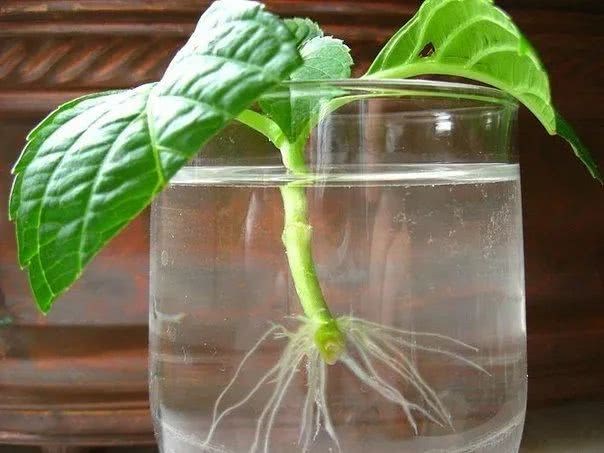
Indoor potted plants are fairly cheap and easy to buy, but learning to propagate plants adds a lot of gardening fun. Propagated plants can be given to friends, which adds to your sense of achievement. There are 6 methods of propagating greenery for you to choose from. Which method do you usually use to propagate?
There are some basic principles to propagating plants. As long as you master the more basic techniques, whether it is cutting propagation or division propagation, it will become easier.
Most indoor plants can be propagated by stem cuttings, generally done when the potting soil is half dry and half moist. Prepare some sandy soil that drains well and is loose and breathable, which makes rooting easier. It is usually mixed with peat moss and perlite at a 3:2 ratio.
After cutting off the stem, remove the leaves at the bottom, which helps the bottom take root. It is best to prepare some rooting powder, which can promote rooting and also sterilize and disinfect. In addition, prepare sharp scissors, preferably sterilized with alcohol or fire.
1. Division propagation
Many indoor plants very easily grow side branches or seedlings. When these side branches grow larger, they will grow some roots or aerial roots. At this time, we only need to use a sharp knife or scissors to cut them off, cutting off the side shoots together with the roots. Then wait for the cut to dry, or dip it in a little rooting powder, and it can be directly planted as a cutting in the soil.
Plants that easily grow side branches include aloe, red star bromeliad, snake plant (Sansevieria), and hen and chicks (Sempervivum), etc.
2. Transplanting runners
Many plants easily grow runners, such as the common spider plant or strawberry. These offshoots can be directly cut off and re-planted as cuttings in soil, or their offshoots can be pressed into the soil and held down with a paper clip or a small stone. After that, wait for the offshoots to take root and sprout before cutting them off. The success rate of this kind of propagation is also very high.
3. Stem propagation
Most indoor plants are propagated by stem cuttings. Directly cut off a section of stem, about 9-12 cm long, and this can be done in spring and summer.
Choose some relatively robust stems free of pests and diseases. When pruning, be careful to use sharp scissors and make a slanted cut. The cut stem should have its bottom leaves removed and be placed in a ventilated, shaded place to let the wound dry. Generally, it is replanted after 30 minutes to 2 hours. The bottom of the stem can be dipped in a little rooting powder.
4. Leaf cutting propagation
Leaf cutting propagation is very wonderful. As long as you remove one leaf from a plant and directly plant it as a cutting in soil, it can take root and sprout. Be careful to choose robust, thick leaves, and remove the leaf together with the petiole intact. If it is a plant with a longer petiole, you can cut off half of the petiole, such as with African violet.
The cut leaves can be left to let the wound dry, dipped in a little rooting powder, and finally planted as cuttings in soil. If it is a succulent plant, it can be laid flat on the surface of the soil.
Afterward, place it in a ventilated place with bright light for care. You can water it a little to keep the soil slightly moist, but it must not be overly wet. If it is a succulent plant, avoid watering.
Plants that can be propagated by leaf cuttings include African violet, begonia, jade plant, money tree, snake plant (Sansevieria), and succulents, etc.
5. Seed propagation
Many plants are propagated by sowing seeds. You can directly buy flower seeds online, or collect some yourself. Seed propagation can give you a great many plant seedlings, but the drawbacks are also fairly obvious: growth will be slower, it takes more time, and they may not necessarily survive.
For seed propagation, you can soak them in clean water as appropriate, then evenly scatter them over the soil, then water thoroughly, keep the soil slightly moist, and place it in a ventilated place with bright light.
6. Layering propagation
Layering propagation is a very easy method to succeed with. Press a section of a plant's stem into the soil. The part of the stem pressed into the soil should have a ring cut around it with a sharp knife, that is, directly cut away a ring of the outer bark, which can let the stem pressed into the soil take root quickly. However, this section of stem can still continue to obtain nutrients from the mother plant, which is also why layering propagation is easy to succeed with.
For more professional agricultural science and technology information, please scan the QR code to follow WeChat: NongXunNET

Please indicate the source when reprinting.