Give your plants whatever they lack, and they will only grow well when they are well fed
Growing flowers in pots is a lot like raising a child: you have to supply nutrients, and give whatever is lacking. This is very necessary. But more importantly, we have to know what the potted flowers lack, then supply it, so that when they eat well, they can grow well...
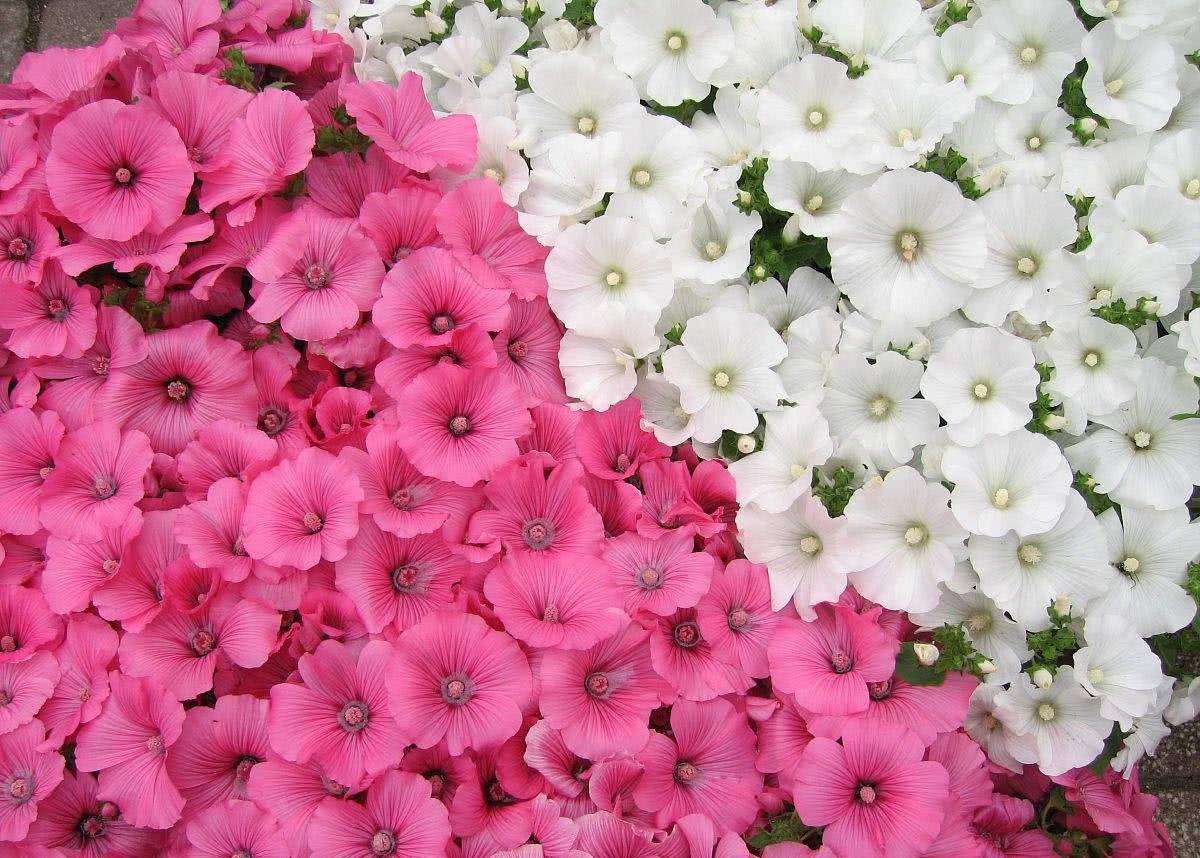
Growing flowers in pots is a lot like raising a child: you have to supply nutrients, and give whatever is lacking. This is very necessary. But more importantly, we have to know what the potted flowers lack, then supply it, so that when they eat well, they can grow well and bloom well!
When growing flowers at home, sometimes we find that the flowers have problems. At this point, you need to do some checking. If there are no insects, no disease, and watering is normally not a problem, then the reason for the problem is that the flowers are missing some nutrient elements, which is why this happens.
1. Lack of "nitrogen"
Features: the whole plant is thin and small, the leaves turn yellow and even dry up and drop off, the stems are slender, weak and split. With such a potted plant, if it blooms, you will find that it blooms little and very sparsely.
To supplement nitrogen fertilizer, you can use decomposed cake fertilizer, and you can also use decomposed sesame, hemp seeds, oil residues, etc. They are also relatively good nitrogen fertilizers. These need to be composted yourself. You can also use an organic nutrient solution with balanced nitrogen, phosphorus and potassium elements.
2. Lack of "potassium"
Features: when a potted flower lacks potassium, the most obvious feature is that many small disease spots appear on its leaves. Sometimes irregular stripes appear on the leaves. When it blooms, the flowers are very small, the flower color is pale, and it changes color very easily.
To supplement potassium fertilizer, you can use plant ash or charcoal ash. In rural areas, before planting corn, people burn the previous corn stalks and use them as fertilizer, which is to supplement potassium fertilizer. Of course, you can also use organic fertilizer.
3. Lack of "phosphorus"
For flowering plants, phosphorus deficiency is mainly reflected in the plants' blooming. The plants produce few flower buds, drop buds, and whether the flower color is brilliant and whether the flowering period is longer, phosphorus deficiency is the biggest factor affecting the blooming effect.
There are many ways to supplement phosphorus fertilizer. For example, when planting Chinese roses, burying some fish intestines and bone meal at the bottom of the pot both supplement phosphorus fertilizer. Fermented bones and rice bran are also excellent phosphorus fertilizers. When growing flowers normally, you can also use an organic nutrient solution that promotes flowering and preserves flowers to supplement fertilizer. Its phosphorus element content is sufficient.
So, when growing flowers, you have to supplement whatever the plant lacks. Use fertilizer appropriately and just right, so that your potted flowers can grow well. When flower lovers grow flowers normally, what little fertilizer-supplementing tricks do you have? Feel free to share them.
For more professional agricultural science and technology information, please scan the QR code to follow WeChat: NongXunNET

Please indicate the source when reprinting.