Orchids are easy to grow and beginner-friendly, blooming in all four seasons and filling every pot
When it comes to growing flowers, orchids are a must. Why is that? Orchids are the most emotionally attuned of all flowers, and also the friendliest. Yet growing orchids well is no simple matter. For potted orchids at home, the most important things are the environment, light...
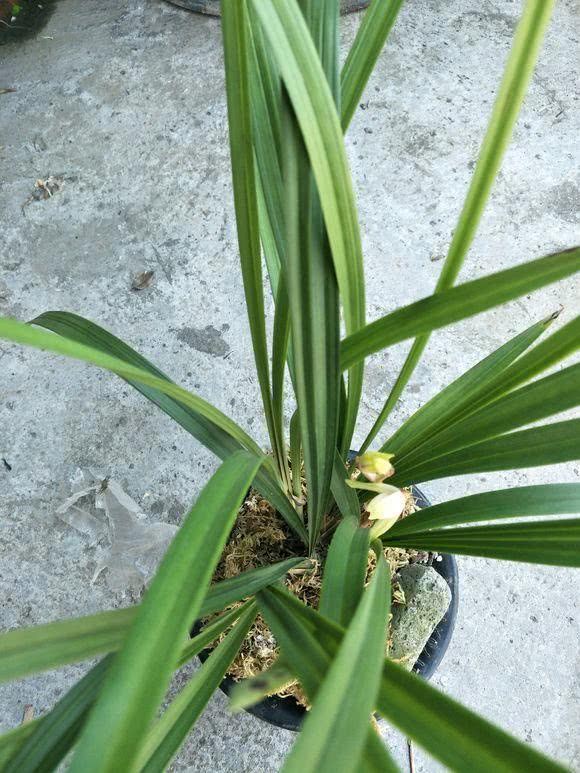
When it comes to growing flowers, orchids are a must. Why is that? Orchids are the most emotionally attuned of all flowers, and also the friendliest. Yet growing orchids well is no simple matter. For potted orchids at home, the most important things are the environment, light duration, and temperature. There is also a lot to say about planting orchids, since orchid species differ and their habits vary accordingly. Huahua will now share some small orchid care tips with everyone.
Orchids mostly grow among shrubs and grasses. Over time, influenced by their environment, the habits of all orchids have become more and more similar. A breezy, semi-shaded, humid environment suits their growth best. As for temperatures in the north, they need to be moved indoors for the winter; temperatures below minus 5 degrees can easily freeze them to death. The south is relatively better suited to orchid growth, as southern temperatures are slightly better than those in the north. So where should you start if you want to grow orchids well?
Soil preparation: orchids differ greatly from other plants. Orchids need a special nutrient soil, orchid soil. Orchid soil needs good aeration, sufficient fertilizer, and ideally no pests or diseases. These requirements are all essential conditions for growing orchids well. To mix the soil, you can use wood shavings, river sand soil, and garden soil, stir them together, then spread the mixture in the sun to bake. After sunning, put it into a flower pot and add nitrogen, phosphorus, and potassium fertilizer. The prepared nutrient soil is then ready for later use.
If you are a flower lover in the south, there is no need to go to all this trouble. Go to a bamboo grove and dig up the soil around the bamboo roots. This soil is active and well aerated. The fallen bamboo leaves rot over time, making it a natural nutrient soil, and with long-term accumulation, the longer the time, the more fully the nutrients build up. This soil has one more great advantage: there are no weed seeds or insect eggs in it. Bamboo rarely attracts insects, so there are almost no insect eggs in the soil.
There is also cow dung soil. On weekends when you rest, go to the suburbs or the countryside and collect some cow dung. Although cow dung is dirty, it is a great thing for growing flowers, a thousand or a hundred times better than flower fertilizer bought online. Mix it into the soil at a ratio of 1:3 and pour in an appropriate amount of water. Cow dung is rich in plant fiber and has a certain water-holding capacity. After mixing with soil, its aeration is also quite good. Cow dung soil is suitable for growing all kinds of plants.
When planting, remember to cover the drainage holes at the bottom of the flower pot with mesh gauze to prevent ants and insects from crawling in from the bottom and damaging the orchid's root system. Then pour in the orchid soil, place the orchid into the pot, straighten out the roots once, and fill in the soil. After the soil is all added, lift the orchid upward slightly so the roots can spread out and more easily absorb nutrients, then gently shake the pot so the soil and the orchid roots are fully settled together.
Finally, watering. Use an appropriate amount of water, and at first be sure not to water too much. Before the orchid roots have taken hold in the soil, too much water can easily cause root rot. Just place it in a warm, breezy, shaded spot. After half a month, you can water and fertilize normally, and within a month it can grow normally and bloom. When planting orchids, as long as you get the soil right, there is no problem at all.
For more professional agricultural science and technology news, please scan the QR code to follow WeChat: NongXunNET

Please indicate the source when reprinting.