Key points for grafting Christmas cactus in spring: do these steps well for it to bloom
There is no doubt that grafted Christmas cactus (Schlumbergera) grows fast, and it can be grown into a large plant that blooms in a magnificent display of flowers, very spectacular. In order to cultivate an umbrella-shaped trailing plant form to increase ornamental value, the key lies in using the correct grafting...
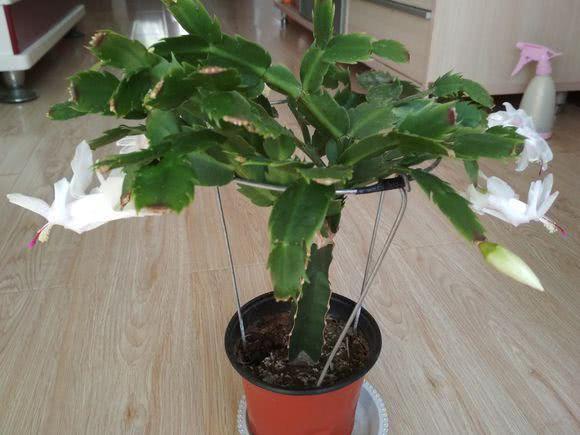
There is no doubt that grafted Christmas cactus grows fast, and it can be grown into a large plant that blooms in a magnificent display of flowers, very spectacular. In order to cultivate an umbrella-shaped trailing plant form to increase ornamental value, the key lies in using the correct grafting technique. Now some specific management methods are shared with everyone. Fellow flower growers can take the essence and discard the dross, and make a reasonable selection.
1. Selection of rootstock and scion: Using triangular cactus (Hylocereus undatus), Schlumbergera x buckleyi, ball cactus, prickly pear cactus and other flowering plants as rootstock can all be grafted successfully, but those using Schlumbergera x buckleyi and mountain shadow cactus as rootstock mostly grow weakly; those using ball cactus as rootstock are prone to root rot; those using prickly pear cactus as rootstock not only grow vigorously but are also easy to shape. Among prickly pear cacti, the tongue-shaped type is better than the round type, and this year's new stock is better than last year's old stock, because the round type is both prone to root rot and less attractive. For the scion, one new basal segment of the current year bearing 3 branches is best, because such a scion is easy to shape. Tools such as the finger-shaped knife used for grafting should all be disinfected with alcohol or white liquor; this can both promote the formation of callus tissue and achieve the goal of increasing the survival rate.
2. Selection of grafting time: Grafting can be done in both spring and autumn. If spring grafting is managed properly, most can bloom in the same year. However, suitable rootstock is still lacking; in autumn rootstock is easy to obtain, but most will not bloom until the following year. If the scion already has flower buds on the mother plant, after the graft takes and survives, although it will bloom in the same year, it consumes too many nutrients and affects the growth of the young plant, so it is best to remove the flower buds. For this reason, the grafting time should be chosen according to the specific situation.
3. Key points of grafting technique: First, use a disinfected finger-shaped knife to make a vertical slit at the top of the prickly pear cactus, but it should not be too deep, then use a disinfected blade to cut the lower part of the Christmas cactus scion into a duck-bill shape; immediately after cutting, insert it into the slit of the rootstock, then fix it with a prickly pear cactus needle or plastic adhesive tape, and then put on a plastic bag to maintain air humidity, which is beneficial for survival. One week after grafting, if the scion can remain fresh and green, it is a sign of survival; after about one more month, the successfully grafted plant can gradually be placed in a sunny place for normal management.
Whether a Christmas cactus that has already been successfully grafted can grow vigorously and bloom on time depends on careful management, because Christmas cactus likes a shaded, humid environment and soil with good permeability. After the Christmas cactus blooms, because it consumes too many nutrients, growth slows down, so fertilizer should be applied to supplement nutrition. Watering should follow the principle of preferring dry over wet, because if the pot is dry, it will only grow slowly, but if watered too frequently and the potting soil is too wet, it will damage the roots and cause death.
For more professional agricultural science and technology information, please scan the QR code to follow WeChat: NongXunNET

Please indicate the source when reprinting.