Are Your Beloved Flowers Placed in the Right Spot?
Introduction: Indoors is a semi-enclosed space, so keeping plants naturally has many benefits. However, different plants have different characteristics, so the location and number are key! Only by correctly using the characteristics of plants can you truly improve the quality of your home environment and benefit your health even more! 1. Choose plants according to the function of the room
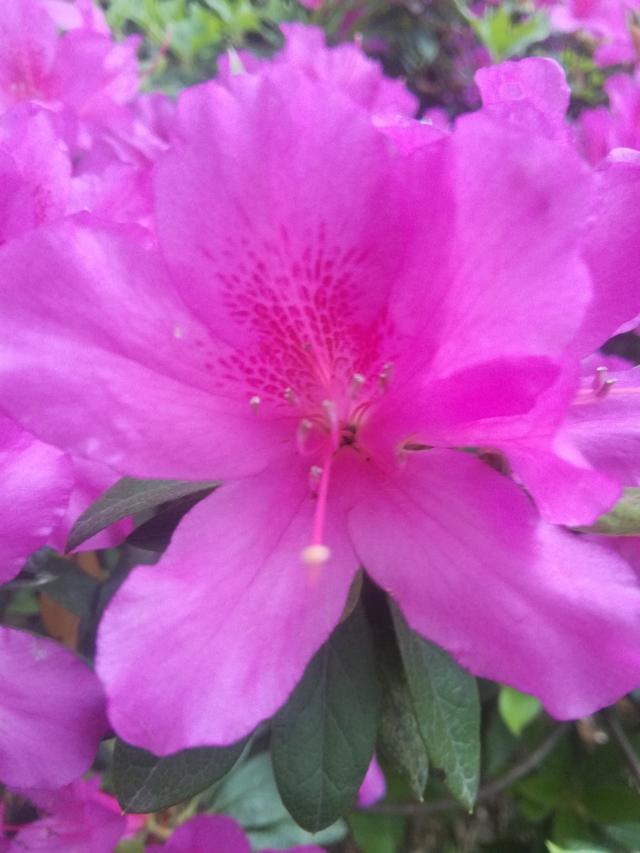
Indoors is a semi-enclosed space, so keeping plants naturally has many benefits. However, different plants have different characteristics, so the location and number are key! Only by correctly using the characteristics of plants can you truly improve the quality of your home environment and benefit your health even more!
1. Choose plants according to the function of the room
Besides photosynthesis, plants also respire (that is, they take in oxygen and release carbon dioxide). Especially at night, photosynthesis is suppressed and respiration is relatively active! If too many flowering plants are placed in a bedroom, the indoor carbon dioxide concentration will increase greatly! This affects human health and is bad for sleep!
2. Choose plants according to the size of the room
The more plants in a room, the better is not always true; instead, plants should be chosen and placed according to the size of the room. If too many plants are placed in a small room, it will bring inconvenience to daily life. Generally, for an area of 10 sq m, placing 2 pots of plants is enough.
3. Place plants in a targeted way according to indoor pollution
Some plants are very effective at absorbing certain harmful substances. For example, spider plant can absorb carbon dioxide, and aloe, golden pothos and snake plant are very effective at absorbing formaldehyde. English ivy and saxifrage can absorb radioactive substances such as uranium, and Podocarpus macrophyllus can resist sulfur dioxide, and so on. (Although plants can absorb harmful gases, it is impossible to rely entirely on plants to absorb indoor harmful gases! Therefore, you still need to open windows often for ventilation.)
4. Flowers with odors and toxic flowers should not be placed indoors
Although potted plants are nice to look at, potted plants that produce odors or are toxic should not be placed indoors. For example, Monstera deliciosa, Dieffenbachia picta, Alocasia macrorrhizos, poinsettia and other toxic or odorous plants can be placed on a balcony or in a courtyard.
In addition, although the flowers and trees of the pine and cypress family are fragrant, they stimulate the human stomach and intestines, not only affecting appetite, but also causing nausea, vomiting, dizziness and blurred vision in pregnant women!
For more professional agricultural science and technology information, please scan the QR code to follow WeChat: NongXunNET

Please indicate the source when reprinting.