Want orchids to bloom with a richer fragrance? First, cultivate the orchid's heart well.
Promote the culture of Chinese orchids and spread orchid knowledge. Bending over my desk, leafing randomly through books, I am often struck with admiration by the exquisite writings of those who came before. Recently I read an article with a flavor of Buddhist realm communing with the mind, a sense of Sanskrit chanting harmonizing with the sound of the bell. The article tells the story of the famous Tang Dynasty Zen Master Huizong...
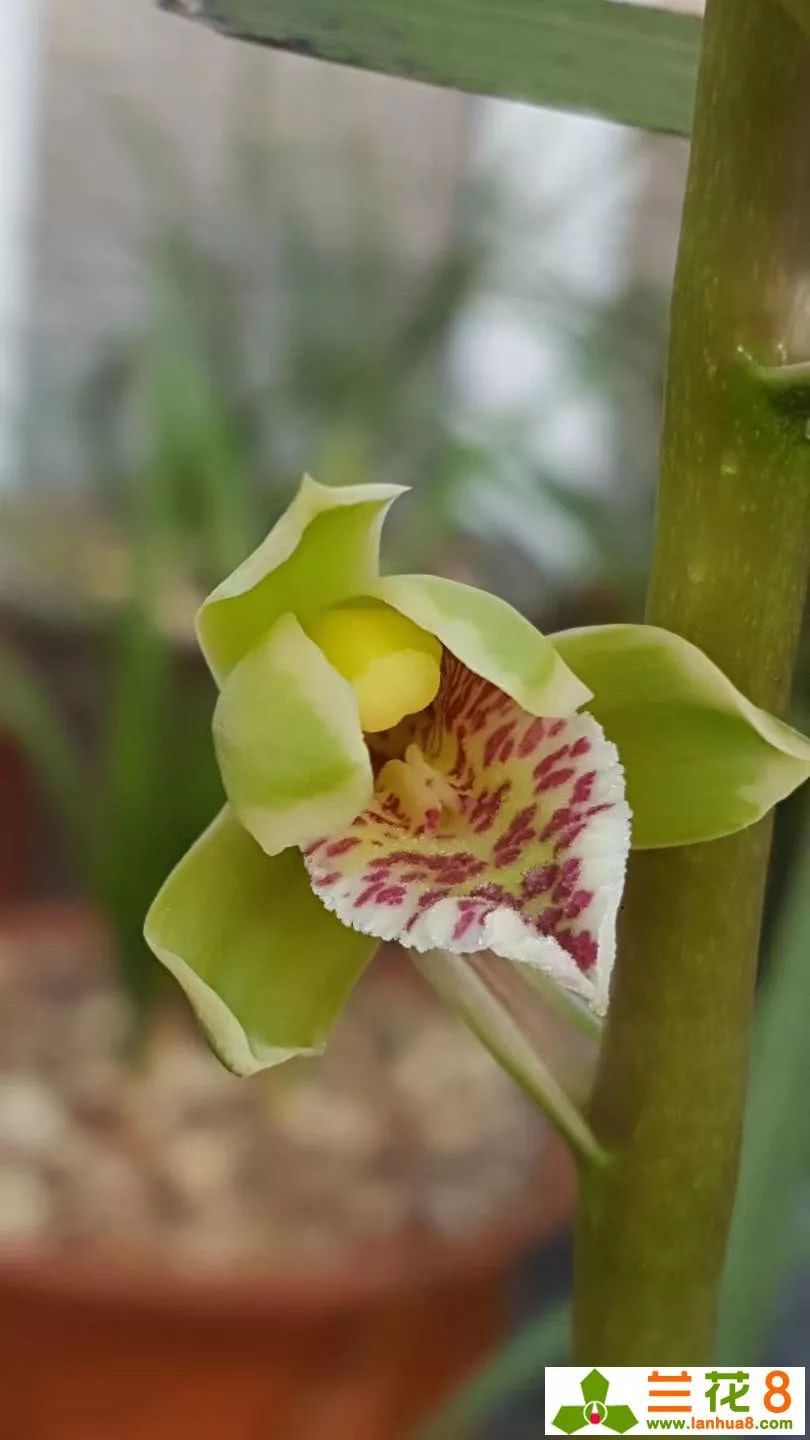
Promote the culture of Chinese orchids and spread orchid knowledge
Bending over my desk, leafing randomly through books, I am often struck with admiration by the exquisite writings of those who came before. Recently I read an article with a flavor of Buddhist realm communing with the mind, a sense of Sanskrit chanting harmonizing with the sound of the bell. The article tells the story of the famous Tang Dynasty Zen Master Huizong. Zen Master Huizong was passionately fond of orchids. Once, when he was about to go out to spread the Dharma and preach sutras, before setting off he instructed his disciples to take good care of the dozens of pots of orchids he had carefully cultivated.
The disciples knew well that the master loved orchids as his own life, so after the green lamps and yellow scrolls, in the intervals between morning bells and evening drums, they always tended the orchids with care. One day late at night, fierce winds arose and rain poured down in torrents, and it happened that on this very night the young monks left the orchids forgotten outdoors. The next morning, when the disciples went out to look, they saw before them a scene of chaos: shattered flower pots, collapsed flower stands, and scattered orchids. Several days later, Zen Master Huizong returned to the temple, and the disciples, deeply uneasy, came forward to greet him, preparing to receive their master's punishment.
Upon learning the whole story, Zen Master Huizong was calm and serene in manner, remaining wholly composed throughout. In the end, he comforted the disciples, saying: "Originally, I did not grow orchids in order to get angry." Such a plain sentence left the disciples present utterly convinced by their master's magnanimity, their minds as if cleansed by the finest butter and anointed at the crown, attaining great enlightenment.
Great philosophy is simply great plain truth, and true Buddha words are like ordinary speech. This sentence seems plain to the point of nothing remarkable, bland to the point of tastelessness. Yet on careful pondering, one deeply feels it contains the form of the great elephant, is full of the flavor of the great broth, reveals profound Buddhist subtleties, and holds the wisdom of life, possessing the wonder of "the heart's flower must first bloom before the orchid can be fragrant!"
Growing orchids should be an elegant and refined affair. Cultivating orchids can temper one toward open-mindedness and bring peace of mind. "The moonlight before the window is the same as ever, yet with orchid grass it becomes different" - this is a kind of elegance and noble purity. Among the hundred flowers of the world, most sprout in spring: "A thousand reds and ten thousand purples are all arranged, waiting only for the first peal of spring thunder." Only the orchid is neither hurried nor slow, blooming in all four seasons. It needs no spring thunder to urge it forth, nor gazing to the ends of autumn waters; in summer it remains vigorous, and in winter it moves toward profundity. From this we see that one who grows orchids must have upright conduct, be worthy and loyal, broad-minded, and undisturbed by favor or disgrace. A person of great spirit plants grass of great generosity; a broad heart plants flowers of the highest grade. Only thus, with "the heart's flower blooming first," can orchid fragrance fill the room and be carried far and lasting. If one is forever calculating every petty gain and loss, wanting everything, brooding over every word and action, flying into a rage over the slightest hair's-breadth difference, would not such words and deeds make even the flowers laugh secretly? Many enlightened sages of old regarded "reading books and doing good brings a joyful heart; planting flowers and tending grass is the way of peace and happiness" as a means of cultivating body and character. Therefore, in matters of hobbies and interests, one must first build a healthy, goodness-oriented state of mind before one can have an open-minded, enlightened mood. Only such "heart's flowers in full bloom" will forever dwell in the heart and thus spread fragrance into the hearts of others.
Of a hundred kinds of tonics, the five grains and coarse cereals come first; of ten thousand paths to longevity, cultivating sentiment is best. Not growing orchids in order to get angry is truly a lofty realm, a great breadth of mind. In truth, happiness is more often a mood, a feeling. To be calm in success and composed in failure is a lofty realm of happiness, a transcendence in life. Happiness is also a kind of ability, a kind of wisdom, and many times also a kind of bearing, a kind of magnanimity. Let go of some things, tolerate a little mistake from others - "letting go is solid ground" - and one can also find the happy side of life. Yet the reason some people often cannot feel happiness is that they excessively pursue the satisfaction of desire, constantly letting the mind be enslaved by things, and worrying over gains and losses in material pursuits. Especially when desires go unsatisfied, hopes are dashed, beloved things are damaged, or others unintentionally hurt them, they feel pessimistic, disappointed, gloomy, and furious. These emotions drain away who knows how many of their happiness indicators and well-being indices.
People often say: of life's affairs, eight or nine out of ten do not go as one wishes. Thus, only one or two do go as one wishes. Sugarcane is not sweet at both ends, and flowers will not never fade. Not growing orchids in order to get angry can let one comprehend some things and see through some matters. One who grows orchids should have some of the realm of "wealth and honor are to me as floating clouds," and should have some of the pursuit of "the five desires already extinguished, all thoughts at rest." Only thus can one gain a body free of illness and a mind free of worry - the supreme joy of life and elegant delight.
In life there are many things we cannot foresee, but we can grasp the helm of life's voyage. When difficulties and misfortune suddenly arrive, rather than secretly seething, grieving alone, fleeing quickly, and resentfully blaming others, it is better to plant a happy orchid in the heart and use tenacity and open-mindedness to dissolve the troubles within. When the heart holds a flourishing orchid, happiness will accompany you, and fragrance will stay by your side.
For more professional agricultural science and technology information, please scan the QR code to follow WeChat: NongXunNET

Please indicate the source when reposting.