Grow pothos, clivia, and spider plants like this: leaves glossy and green, bursting out of the pot year after year
Pothos, clivia, and spider plants are flowers often kept at home, but some flower lovers can grow them lush and green with shining leaves, while others grow them sickly, thin, and yellowing. What exactly is the difference? An older gentleman submitted a piece to Huahua, sharing...
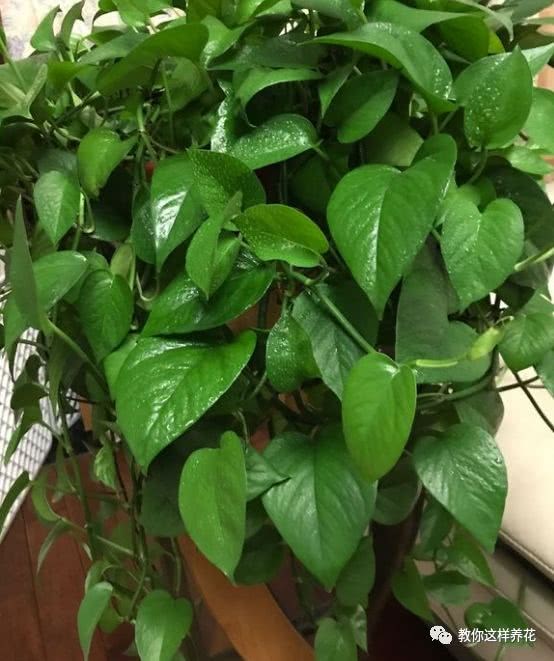
Pothos, clivia, and spider plants are flowers often kept at home, but some flower lovers can grow them lush and green with shining leaves, while others grow them sickly, thin, and yellowing. What exactly is the difference? An older gentleman submitted a piece to Huahua, sharing some tips for caring for pothos, spider plants, and clivia at home. Let's take a look.
"
Flower-growing tips
"
Pothos care tips
-Beer and rice water-
Rice water is a common household fertilizer among flower lovers. Generally, rice water is fermented for a few days before watering flowers. The starch and protein in rice water are decomposed by microorganisms and absorbed and used by flowers and plants, so they can grow better. Beer can also be used as fertilizer. If there is leftover beer at home, you can dilute it and water the flowers with it. For some foliage plants, the effect is very obvious. So I considered combining the two, adding beer to rice water at a ratio of 1:1. After fermenting for a few days, I found the fermentation speed increased quite a bit. After diluting about 20 times and watering the flowers, I found the pothos grew even more vigorously.
-Fish tank water-
Because I like fish, I have a small fish tank at home, so when I normally change the water, I pour the water from the fish tank into the pothos pot. The water in the fish tank contains leftover organic food from feeding the fish and fish waste. After decomposition, these are all good fertilizer that plants can absorb and use, and the concentration is very low, so no matter how you water, there is no fear. Occasionally I also put one or two grains of urea in the collected fish tank water. This effect is obvious to the extreme. After using it, the pothos leaves grow another size larger, but because I am afraid of causing fertilizer burn, I only use it once a month.
Spider plant care tips
-Bury soybeans in the soil-
Soybeans contain a large amount of protein, and after decomposition they are a very good source of nitrogen fertilizer. The trace elements and minerals in soybeans are also very helpful for the growth of flowers. Take cooked soybeans and, near the edge of the spider plant pot, poke a hole with chopsticks, and bury a few in the hole each week. Make it slightly deeper to avoid bugs and odors. As the soybeans slowly rot, they will provide rich nutrients for the spider plant.
-Eggshell fertilizer-
The main nutrient components of eggshell powder are phosphorus and calcium. Phosphorus is an important component of plant cell nuclei and can promote cell division and root development. Calcium is a component of the middle lamella of plant cell walls, can improve plant drought resistance and cold tolerance, and can also make spider plants more upright. Remember to first sun-dry or heat-sterilize eggshell powder, and use it after the egg white has denatured.
Clivia care tips
-Add a little oil crop to the soil-
Clivia likes fertilizer, and fertilizer is crucial to the growth of clivia. For clivia, it is best to choose organic fertilizer. When fertilizer is applied well, clivia can grow several pairs of leaves in a year, bloom more, and have vivid flower colors! When repotting, you can stir-fry soybean cake, castor seeds, soybeans, hemp seeds, and other oil crops until cooked. For varieties such as Yuantou Heshang and Japanese orchid, a little can be added at the bottom of the pot as base fertilizer. For the short-leaf strain, do not add hemp seeds when changing the soil. If repotting in autumn, you can also add a little bone meal.
-Soil-fermented fish intestine fertilizer-
Collect fish innards and chicken and duck innards, then blanch them briefly in hot water in a pot so the innards are half-cooked, drain, and set aside. Spread a layer of humus soil at the bottom of a foam box, put the innards at the very bottom, then spread a layer of soil, then a layer of vegetable leaves and fruit peels, and finally seal with a thick layer of soil. Cover the foam box with its lid and wait for fermentation. After a few months, open it and check whether it has turned black. If it has turned black, move it out into the sun to dry, then add it to potting soil and use it. The fertilizer effect is very high. It is a very good phosphorus and potassium fertilizer and is very helpful for clivia to have large, vivid flowers and bloom multiple times.
It turns out that by accumulating more little flower-growing tips in life
flowers can grow so well
Besides being envious, we should also try more ourselves!
What do you say?
After reading, show it to flower lovers who need it~
For more professional agricultural science and technology information, please scan the QR code to follow WeChat: NongXunNET

Please indicate the source when reprinting.