What to Do When Aloe Vera Leaves Turn Brown or Red? This Method Will Solve It
The main problem most people encounter when growing potted aloe vera is overwatering, or insufficient light. As long as you get these two things right, you can avoid most problems. Below I will cover some common issues in caring for potted aloe vera, and how to deal with them...
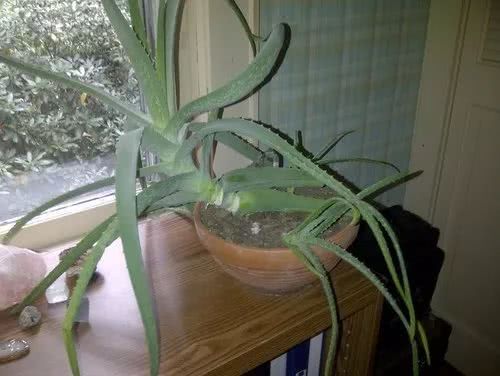
The main problem most people encounter when growing potted aloe vera is overwatering, or insufficient light. As long as you get these two things right, you can avoid most problems. Below I will cover some common issues in caring for potted aloe vera, and how to deal with them.
1. Aloe vera root rot
If you find that the stem of your aloe vera has turned mushy and feels soft to the touch, it means the aloe has been overwatered, or that waterlogged soil has caused the roots to rot. If only the bottom of the roots has rotted and most of the stem is still fairly healthy, then you can try to save the aloe.
You can dig it up, cut off the rotted part at the bottom of the main stem, wash it clean and soak it in a carbendazim solution, then replant it in fresh soil in a new pot.
2. Aloe vera leaves turning brown
If you find that the aloe vera leaves have turned brown, first check the stem. If it is still fairly firm and healthy, and the leaves also feel quite hard to the touch, then that proves it is not rot. This situation is usually caused by too much light. You can move the potted aloe to a spot with bright, indirect light and care for it there for a while, and it will gradually recover.
If the leaves and stem feel soft to the touch and look mushy, then that proves it has been overwatered and there are signs of rot. It could also be frost damage from temperatures that are too low. In this case, promptly cut off the diseased leaves, keep the wounds away from water, and move the plant to a warm, ventilated spot to recover slowly.
3. The leaves at the bottom of the aloe vera dry out
If the potted aloe vera has just been transplanted, then it may be using up the bottom leaves to grow roots and new shoots, and you just need to cut off the withered leaves.
If the aloe has been grown for quite a long time and the bottom leaves dry up, then there may be a problem with the root system, the soil may have become compacted, or the supply may be insufficient. Repot it promptly and cut off the withered roots.
Aloe vera is a very popular indoor potted plant. It can be grown for decades without dying and is very easy to propagate. With proper care, aloe vera will keep producing side shoots, and its growth rate is fairly fast. Be sure to give it appropriate light so it can grow better.
4. The benefits of growing aloe vera
Aloe vera can treat minor burns and scalds. Just extract the gel from inside the leaf and apply it to the wound.
Another benefit of aloe vera is that it can purify the air in your home. If there are too many harmful toxins in the indoor air, brown spots will appear on the aloe vera leaves.
Growing aloe vera does not require frequent attention. You can even often ignore it, and it will still keep growing vigorously. Follow the points below, and your aloe vera will maintain a fairly fast growth rate.
5. Water appropriately
The most crucial thing in caring for potted aloe vera is watering. The mistake beginners make most often is overwatering. If the soil dries out completely, the plant is unlikely to die. Frequent watering is the number one killer of aloe vera.
In nature, aloe vera grows in deserts. Its leaves can store water and it can tolerate going without water for a very long time. Overwatering easily causes root rot, which ultimately leads to the plant rotting away.
Before watering the aloe vera each time, check whether the soil has dried out completely. You can even insert your finger 3-5 cm into the soil to make sure it is completely dry and avoid damp soil. Aloe vera goes dormant in winter, so do not water it when the temperature is low.
6. Appropriate light
The second key to caring for aloe vera is sunlight and temperature. With fairly ample light, aloe vera can grow better. With insufficient light, it easily becomes leggy and the leaves grow very weak. When growing it indoors, it is best to place it on a south-facing or east-facing windowsill, and you can supplement with artificial light as appropriate.
7. Choosing potting soil
For growing aloe vera, it is best to use a sandy soil with particularly good drainage, so that the soil will not become waterlogged. For potted aloe vera, you can choose sandy soil. I like to mix perlite, sand and some potting soil, which ensures air permeability and drainage and is good for plant growth.
8. Pay attention to fertilizing
Aloe vera has very low fertilizer needs, but in spring and summer you can give it a diluted fertilizer once or twice a month. I recommend giving organic fertilizer rather than chemical fertilizer. A general-purpose organic liquid fertilizer is best for aloe vera.
For more professional agricultural science and technology news, please scan the QR code to follow WeChat: NongXunNET

Please indicate the source when reposting.