Even Good Things Shouldn't Be Overdone - The Little Taboos of Watering Flowers with Rice Water!
Hua Yi Pai As the saying goes, eat until you're seven-tenths full - there's a lot of sense in that. No matter how delicious something is, eating too much will make you uncomfortably stuffed. It's the same as with people and food: if you give plants too much fertilizer or nutrients, the consequences will be even more serious - the plants won't be able to handle it and will be burned to death! And watering flowers with rice water, as a common way to give plants nutrients at home, must be done with care during the watering process - there are taboos!
Hua Yi Pai
As the saying goes, eat until you're seven-tenths full - there's a lot of sense in that. No matter how delicious something is, eating too much will make you uncomfortably stuffed. It's the same as with people and food: if you give plants too much fertilizer or nutrients, the consequences will be even more serious - the plants won't be able to handle it and will be burned to death! And watering flowers with rice water, as a common way to give plants nutrients at home, must be done with care during the watering process - there are taboos!
Taboo One: Pouring rice water directly into the pot
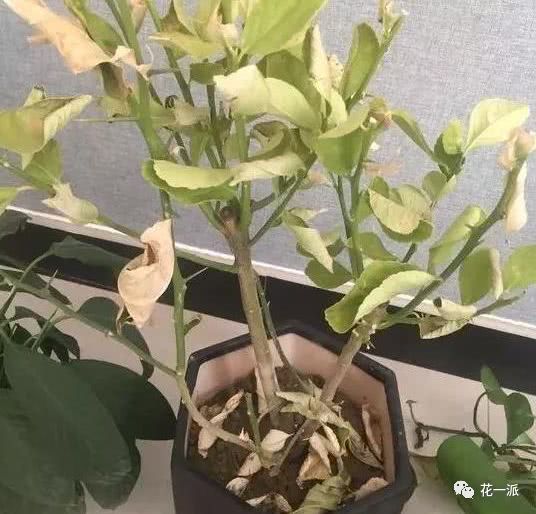
Rice water is indeed rich in nutrients, but it must be fermented before it can be used to water flowers. Watering directly will burn the root system, and over time it will also cause the soil to become compacted, blocking root respiration - the plant will surely be close to death!
Taboo Two: Watering alkaline-loving flowers with it
Some flower lovers do water with properly fermented rice water, but why do their flowers still die? The reason is that fermented rice water is acidic, yet it was used on flowers that prefer alkaline conditions, such as cacti and cactus balls.
Tips to avoid these taboos:
Tip One: How to ferment rice water
Rice water needs to be fully fermented before it becomes the best organic liquid fertilizer, and it should be diluted with water before use. It is best used in an outdoor growing environment; enclosed spaces or indoors are not very suitable.
The method for fermenting rice water is also very simple: just put the rice water into a plastic bottle, place it in sunlight, and seal it for 10~15 days to complete fermentation. However, when first opened it will have a disgusting smell. So it needs to be opened frequently to release gas.
After the rice water fermentation is complete, there is no thick sediment at the bottom of the liquid. It is slightly acidic, and after being diluted with water it is very suitable for watering flowers. It is greatly helpful for improving the soil's pH and increasing soil fertility. A dilution ratio of 1:5 is fine.
Proper use of fermented rice water can increase the frequency of plant flowering, prevent yellowing leaves, promote flower bud formation, and help flowers bloom better. The dilution ratio of fermented rice water should be determined according to the plant's growth condition: weaker-growing plants should be diluted with more water, and vice versa. The frequency of use should not be too high; generally 1~2 times a month is enough.
Tip Two: Pay attention to distinguishing types when watering flowers
Fermented rice water is acidic, suitable for watering acid-loving flowers such as camellias, azaleas, gardenias, and Chinese roses. Some flower lovers in the north always get yellowing and wilting leaves when growing these flowers - it is very likely that the soil is too alkaline. Watering with a bit of rice water can make the soil more acidic, making azaleas, gardenias, and others grow lush and green!
So when watering flowers, first distinguish whether the plant prefers acidic or alkaline conditions!
Past Review
For more professional agricultural science and technology information, please scan the QR code to follow WeChat: NongXunNET

Please indicate the source when reprinting.