The right way to repot potted flowers in spring, no damage and no death, and they'll burst with growth in the blink of an eye
Spring has arrived, and many people are busy changing the soil and repotting their flowers, having a great time doing it. But after repotting for a while, they're stunned: instead of seeing the potted flowers grow quickly, they're almost wilting and withering. What should be done? Today we'll talk about this question...
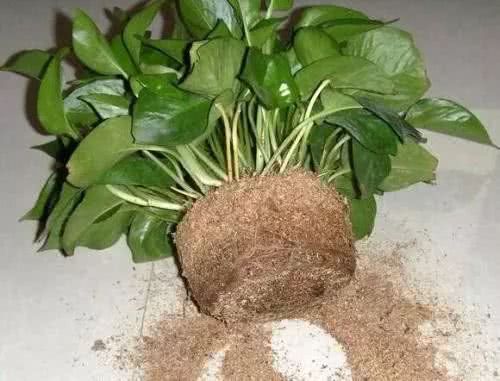
Spring has arrived, and many people are busy changing the soil and repotting their flowers, having a great time doing it. But after repotting for a while, they're stunned: instead of seeing the potted flowers grow quickly, they're almost wilting and withering. What should be done? Today we'll talk about this question
When repotting flowers in early spring, if the flowers are on the verge of death, it should be due to low root activity, poorly breathable potting soil, or overwatering causing root rot. It may also be caused by improper care or unsuitable temperatures
In spring, all things revive, and it is the peak growing season for plants. But in early spring, the temperature is still relatively low, so it is not recommended to repot at this time. It is best to repot in March or April, when the temperature is more suitable for plant growth, growth is faster, and roots recover quickly
When repotting, in order to reduce damage to the root system of potted flowers, you can put the plant with its soil into water and soak the soil loose, thus minimizing root damage
Then trim off the empty roots and rotten roots. You must disinfect them. You can soak them in a carbendazim solution or potassium permanganate solution for two hours, so the roots are fully sterilized and disinfected. Then repot, and it will not easily cause rot
The soil for potted flowers generally needs loose, breathable soil. For example, you can mix and use peat soil, perlite, vermiculite, etc. Peat soil can provide the nutrients plants need, perlite can drain and aerate, and vermiculite can absorb and retain water.
Take the plant soaked in carbendazim out and let it air dry a little, then it can be repotted. After repotting, place it in a shaded place to recover for about a week, wait until the potted plant regains its vitality, and then water and care for it normally,
Then we can care for it normally according to the plant's habits
For more professional agricultural science and technology information, please scan the QR code to follow WeChat: NongXunNET

Please indicate the source when reposting.