Flowers Thrown in the Trash, an Elderly Woman Picked Them Back Up and in 1 Month They Grew Back Thick and Full
You can often see discarded flowers by trash cans and on the waste ground of flower markets. I really want to pick them up, but feel a bit embarrassed, like I'm doing something sneaky. Still, since they've been thrown in the trash, taking them home to grow is fine too - maybe they can even be saved...
You can often see discarded flowers by trash cans and on the waste ground of flower markets. I really want to pick them up, but feel a bit embarrassed, like I'm doing something sneaky. Still, since they've been thrown in the trash, taking them home to grow is fine too - maybe you can even save a pot of flowers! Look, many flower lovers have picked up flowers from the trash, taken them home, nursed them back, and now they're growing thick and full again! Let's take a look!
"
Picking Flowers from the Trash
- Yellow-Leafed Pothos -
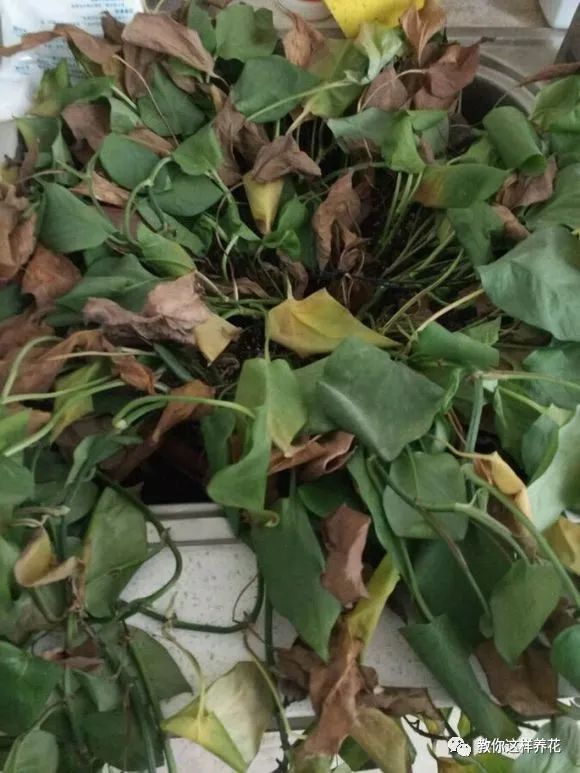
By the trash can you can often see yellow-leaved pothos and spider plants. Actually, both of these are very easy plants to keep alive. An elderly woman found two pots of pothos with yellowing leaves by the trash can. These pothos had yellowed and withered because they were watered too much and their roots rotted. Some pothos also suffer from cold in winter, and many rotted roots are left untreated, causing the leaves to slowly turn yellow - this state appears too.
You can cut off the healthy parts of the pothos, change to fresh potting soil, stick them into the new soil, water thoroughly, and place in a cool, ventilated spot. Roots will form in 1 week, and soon the pothos will grow thick and full again.
Of course, some flower lovers pick up plants that are in very good condition - those are much easier, at most you just repot them and the leaves will grow like crazy.
(Flower Bar, Yu Xiao Yi Jiu Yan Ran)
- Root-Rotted Calathea -
The most common reason plants get thrown out is root rot. For many flower lovers without much experience, root rot just means slowly letting the plant die. Actually, if the roots really have rotted, you might as well take the plant out of its pot, cut off the rotted roots, then soak and disinfect them in a potassium permanganate or carbendazim solution. Then repot it, and the plant might just be saved.
A flower lover picked up a pot of Calathea leopardina (cat's-eye calathea) by the trash can. Its roots were completely withered and rotted - no wonder the leaf tips were yellow and the leaves wilted.
Trim off the withered roots, soak the roots in a carbendazim solution, then repot using loose, breathable potting soil. Calathea leopardina likes a warm, humid environment. In the early stage, besides placing it in a cool, ventilated spot, you can also cover the pot with a plastic bag to keep in moisture, so the calathea recovers its vigor as quickly as possible.
(Tieba, Ma Er Shan Feng Yi Pian Yun)
- Gerbera -
Many herbaceous flowers need a lot of water, and with strong evaporation they easily wilt. But with just a little water, they quickly recover. Many flower lovers think the flower is dead and throw it away. A flower lover picked up two gerbera plants from the trash - they had actually just temporarily wilted. She soaked the gerbera in a basin of water, and within two or three hours they stood upright again.
Gerbera is very sensitive to water. You can water in the morning or evening, and let the plant be relatively dry by nightfall. You can water by the soaking method, but it must not be waterlogged or wet for long periods. Usually you can also add some phosphorus and potassium fertilizer, which helps gerbera bloom.
(Flower Bar, Shu Ye Shang Fang)
- Rose -
Finding an old rose stump in the trash is truly a rare treat. A flower lover found some discarded old stumps beside a rose greenhouse. If the rose seedling is relatively healthy, cut off the withered roots, soak in carbendazim for half an hour, and it's ready to pot.
(Flower Bar, pandakiss)
Some may have completely rotted roots, or only branches left - those can be used too! First stick the branches in rooting water, then insert them into vermiculite or loose potting soil to root. In about 1 month, the rose will grow new shoots and new leaves, then grow up and bloom!
(Jia Zai Shenzhen, Ying Tao Guo)
Other flowers can also be tried with the cutting method - maybe they'll take root and survive?
If you see a discarded flower on the road
Why not pick it up and try to save it too!
After a while
The flower will grow thick and full and bloom all over to repay you!
After reading, share it with flower lovers who need it~
For more professional agricultural science and technology news, please scan the QR code to follow WeChat: NongXunNET

Please indicate the source when reposting.