Bonsai are quiet pets: bring out a few to show off, and growing just one is never enough
Bring out a few bonsai to show off. Bonsai are quiet "pets," and growing just one is never enough! Let's talk about what it's like to grow bonsai. For thousands of years, bonsai has risen from a household landscape to an art form. In our fixed impression, ...
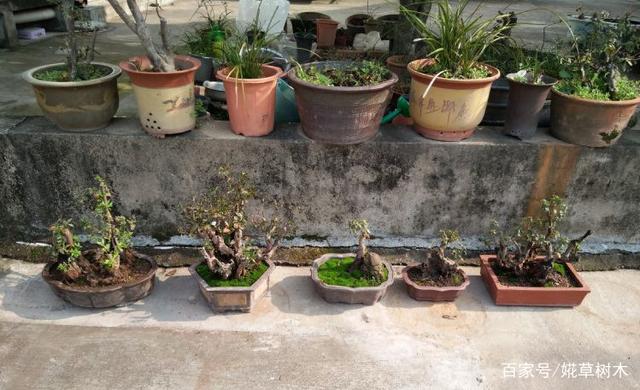
Bring out a few bonsai to show off. Bonsai are quiet "pets," and growing just one is never enough! Let's talk about what it's like to grow bonsai.
For thousands of years, bonsai has risen from a household landscape to an art form. In our fixed impression, an ordinary bonsai costs tens of thousands at the drop of a hat, a high-end plaything that ordinary people dare not casually handle. "Bonsai are expensive," "bonsai are hard to care for," "bonsai are something only old people play with," "bonsai are something only rich people can afford," "if you put one at home and accidentally knock it over, then you're done for"... This kind of narrow, one-sided understanding of bonsai has led many people to only ever admire it from afar. And young people, with no time, no patience, and a mindset of rushing for quick results, are even less able to truly get close to this traditional art of bonsai.
Bonsai are expensive because their value lies in the overall spirit and charm. A bonsai is made up of plants and stones, a miniature landscape in which the small reveals the large. A good bonsai lets you, through that one little patch of ground indoors, glimpse the truest beauty of the four seasons in nature. They experience spring, summer, autumn and winter as time passes, and they can bloom and bear fruit, constantly withering and constantly growing back with tenacity.
The aesthetics of bonsai are also very interesting. At first, people liked to force bonsai into all kinds of peculiar shapes to show off their uniqueness, losing the plant's most original state. But in recent years, the aesthetics of the bonsai world have also begun to move toward naturalness, no longer pursuing deliberate beauty but the most original state, just as with people's looks today: surgically altered faces are increasingly unwelcome, while natural beauty is more sought after.
Bonsai are not so far removed from us, and young people can grow them too. If you get good at it, there can even be unexpected rewards. It is generally acknowledged that bonsai are pricey, but are all bonsai expensive? Of course not. Most expensive bonsai come from the hands of masters, and their expression and spirit are worthy of being called art. In the Rugao Horticulture City, you can often see bonsai priced from three to five hundred up to three to five thousand, which counts as a low price range in our understanding of bonsai prices, and you can even buy a bonsai of your own for less than 100 yuan. So if you are not doing it for art collecting but for cultivating and for refining your character, then expensive does not exist.
So what counts as a true bonsai? One with rocks and soil, one that can grow and go dormant with the four seasons just like all plants in nature, is a bonsai. A very good way to judge one is: long lifespan. Of course, this is on the premise that the bonsai is well cared for, and then a bonsai that can accompany you for decades or even be passed down through generations is a good bonsai.
For more professional agricultural science and technology news, please scan the QR code to follow WeChat: NongXunNET

Please indicate the source when reposting.