April Garden Tasks: What Jobs Have Gardeners Still Not Finished?
April has quietly arrived, the spring equinox has passed a week ago, and the Qingming season with its drizzling rain is about to come. Roses, clematis, hydrangeas and perennials have all revived, and in the south flower buds can already be seen - a lovely scene. Besides snap snap snap snap snap snap snap taking photos...
April has quietly arrived, the spring equinox has passed a week ago, and the Qingming season with its drizzling rain is about to come. Roses, clematis, hydrangeas and perennials have all revived, and in the south flower buds can already be seen - a lovely scene. Besides snap snap snap snap snap snap snap taking photos, what else needs to be done?
Roses
Important tasks:
① Protect the branches
② Prevent powdery mildew
③ Prevent caterpillars, aphids and thrips
④ Supplement with flowering fertilizer
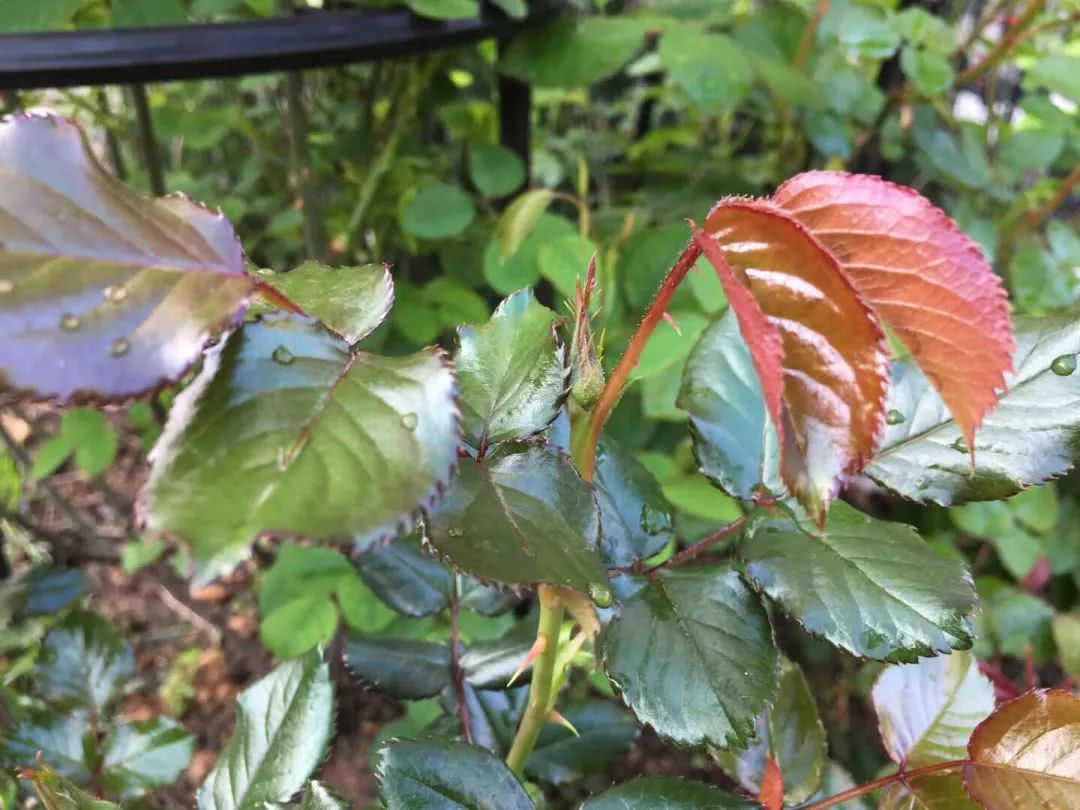
After roses end their winter dormancy, nutrients flow back from the roots to the branches and flowering shoots are sent out. Count how many new shoots there are and you will roughly know how many flowers the first flush can produce, so one of the gardener's important tasks is to protect the branches - lose one branch and you lose at least one flower. The causes of lost branches include human ones (carelessness or mischievous kids, plus dogs and cats), and caterpillars chewing on them, so seeing butterflies fluttering their wings in spring is not necessarily a good thing - they may well be laying eggs...
Besides caterpillars, aphids and thrips suck the sap of tender shoots and leaves, causing poor flower development and deformity, and greatly affecting the beauty of roses, so their control also needs attention. Spring is also a season of high incidence of powdery mildew, and some varieties are especially prone, such as Misaki, Hiyori, Shuidi, Charming Piano, Fenzhuanglou and so on, all of which have earned the title of powdery mildew girls. Once found, spray immediately, otherwise buds easily drop and the spring flowers are ruined!
To make roses produce more and bigger flowers, after budding it is also recommended to spray some flowering-promoting foliar fertilizer, such as Huaduoduo No. 2 or Bikaihua, but once the buds show color (once you can tell what color the buds are), you must not spray anymore, otherwise the buds tend to open early, born premature before developing properly, and the flower shape will not be standard enough.
It is recommended to use abamectin, chlorothalonil and Huaduoduo No. 2 (or Bikaihua), spraying once a week.
▲ Fast-growing roses have already budded
Flowering shoots generally show buds after the 7th leaf
At this time you need to start spraying flowering-promoting foliar fertilizer
▲ The branch Sister Qing'er lost because the chickens ate it
Hahahahahahahahahaha
There are always some completely unexpected accidents
▲ The chicken that was the culprit
Get ready to be stewed!
Clematis
Important tasks:
① Set up the trellis and train the branches
② Prevent clematis wilt
Most clematis send out flowering shoots from old branches, and these shoots generally show buds quickly and do not grow too tall. Besides flowering shoots they also send out growth shoots, which need to grow upward for a while before budding, so you must set up a good trellis for them to climb, and it is best to help train them every few days, winding them in an S shape to control height, so that when they finally bloom the flowers will be denser and more photogenic. For evergreen clematis such as Silver Coin and Apple Blossom, the flowering period is now already near its end, so when you have time just deal with the spent flowers and wind in the branches.
After Qingming, once the plum rain season begins, you need to pay extra attention to the problem of clematis wilt, especially Group F varieties (Huanzi, Lüyu, Miss Kyoko, Zizhiwan and so on). Clematis wilt has a high incidence on sunny days after rain, so it is best if they can be sheltered from rain. Use a fungicide as a root drench once a week for prevention, and if you find it, cut off the affected branches as soon as possible to avoid contagion.
▲ Clematis in bud
Hydrangeas
Important tasks:
① Protect the branches
② Color adjustment
Hydrangeas basically all bloom on old wood, except Endless Summer, so protecting the newly sent-out branches is especially important - one branch is one cluster of flowers! If it breaks, this branch will not bloom again this year...
If you need to adjust the color, then you can start using a color-adjusting agent now. Without adjustment they generally bloom pink mixed with a little blue, and after adjustment they can bloom pure blue. But current color-adjusting agents can only shift pink to blue, not blue to pink, which is a bit of a bug. Aren't the people who like pure pink Endless Summer still human!
Color-adjusting agent:
▲ Hydrangea that has just unfurled its leaves
Maples
Important tasks:
① Prevent fungal diseases
② Prevent aphids
Maples that have just unfurled their leaves in spring are truly stunningly beautiful, and they are also relatively easy to care for. You only need to watch out for aphids and fungal diseases such as anthracnose, and these do not have a high incidence.
▲ Japanese maple that has just unfurled its leaves: Higasa-yama
Bulbs
Important tasks:
① Winter bulbs finish their show and free up space
② Planting spring bulbs
Daffodils, tulips and hyacinths should all be in full bloom now, and in another week or two they should finish their show. Since most gardeners' growing conditions are not favorable for reblooming, it is generally recommended to just dig them out and throw them away after flowering to free up space.
As for bulbs that have only just arrived in spring, such as dahlias and lilies, they can be potted up or planted in the ground one after another. If buying, it is recommended to first take a look at Hongyue, they are all about the same.
[Taobao store search: Hongyue]
▲ The daffodils have all bloomed
Perennials
Important tasks:
① Buy various perennials
In winter there is nothing above the soil for perennials, and sellers dare not sell them for fear of bad reviews. Now that spring is warm and flowers are blooming, perennials are emerging from the soil and are gradually being listed, so it is a good season to get perennials. Hostas, astilbes and coneflowers get more attention, and I especially recommend Bingbing's shop "Tongxiang Four Seasons Garden", which has many rare perennial plants.
[Taobao store search: Tongxiang Four Seasons Garden]
▲ Hostas emerging from the soil after reviving
Herbaceous flowers
Important tasks:
① Spring sowing
② Buy various herbaceous flower seedlings
② Repotting
Spring is the main battlefield for herbaceous flowers, and they are about to show their power. Pot them up well now, and by mid-May they should about be able to bloom abundantly. Since most popular herbaceous flowers fear heat and perform poorly in summer, in order to extend the viewing period, Guipo suggests everyone try to buy larger seedlings, so they can bloom abundantly two or three weeks earlier.
This time is also very suitable for spring sowing, such as peppers and morning glories, which are still in season. But for petunias, sweet peas and so on, sowing now is too late - before the seedlings are even transplanted the flowering period is over, so it is recommended to just buy seedlings. For shops, it is recommended to browse "Huahua Shijia".
In addition, herbaceous flower seedlings bought in autumn and winter have now grown up too, and those still stuck in small pots without repotting need to be repotted as soon as possible. Spring herbaceous flowers grow like crazy - petunias, blue-eyed daisies, marguerites and so on are not small plants at all, and a 20cm diameter pot is easily filled.
[Taobao store search: Huahua Shijia]
▲ Spring herbaceous flowers just potted up
What changes will there be after 1 month?
▲ The spring sowing army
Remember to label the varieties properly
Everyone says spring is the busiest time for gardeners, but why does Guipo feel that gardening is busy all year round with lots of work to do??? Fortunately it is tiring but happy!
Guipo's flower-sharing account
Welcome to add
For more professional agricultural science and technology information, please scan the QR code to follow WeChat: NongXunNET

Please indicate the source when reposting.