How to grow camellias? Master the basics, and the more you grow them, the easier it gets
Camellia, with diverse colors, numerous varieties, gorgeous blooms and large flowers, is a very attractive flowering potted plant. To grow camellias well, keep them blooming continuously and make the flowers bigger and bigger, these basics are very important. 1. Pot cultivation of camellias...
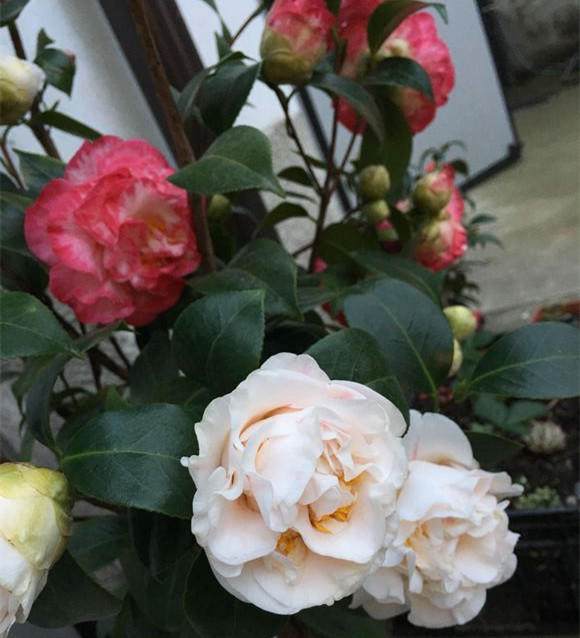
Camellia, with diverse colors, numerous varieties, gorgeous blooms and large flowers, is a very attractive flowering potted plant. To grow camellias well, keep them blooming continuously and make the flowers bigger and bigger, these basics are very important.
1. Pot
When cultivating camellias, the ratio of pot size to seedling size should be appropriate. For the potting soil, it is best to add 1/3-1/2 pine needle leaf mold to garden soil. The best time for potting is December in winter or February-March in early spring. Stop potting during the budding period, and never pot in the high-temperature season.
2. Water
When potting camellias, water them thoroughly. Water until it drains from the bottom of the pot. Usually, water in moderation, and the amount of watering should change with the seasons. In summer, during the leaf and stem growth period and the flowering period, water more; after new shoots stop growing, control watering appropriately to promote flower bud differentiation. During the plum rain season, prevent waterlogging, and after early autumn reduce watering. When watering, the water temperature should be close to the soil temperature.
3. Light
Camellias like partial sun and dislike being exposed to the sun. Young trees are shade-tolerant, while large trees need a certain amount of light and more than 3-4 hours of sunlight per day to flower well, but strong direct sunlight in summer will cause serious leaf scorch and twig withering. It is recommended to place them in a spot with scattered light, not in direct light, and shade them in summer. In winter, it is best to place them in a south-facing spot with full light and a northwest side sheltered from wind.
4. Soil
Camellias like fertile, loose, slightly acidic loam or humus soil, and can grow in a pH range of 4.5-6.5, with 5.5-6.5 being best. Alkaline soil and heavy, waterlogged places are not suitable for camellia growth. Their soil moisture requirement is to like moisture but avoid wetness; the soil should drain well, and during the plum rain and typhoon seasons, pay attention to drainage to avoid root rot and death.
5. Temperature
The low-temperature tolerance of camellias varies somewhat among varieties. Single-petal varieties are more cold-hardy than general varieties and can withstand low temperatures of -10°C, while precious varieties have lower tolerance to low temperatures. Camellias dislike high heat; they stop growing above 30°C, and sunscald occurs above 35°C. The suitable temperature for growth is 18-25°C, and the suitable temperature for flowering is 10-20°C.
For more professional agricultural science and technology information, please scan the QR code to follow WeChat: NongXunNET

Please indicate the source when reposting.