Growing These Plants in Your Study Boosts Memory and Makes You Love Reading
Quite a few people who are doing reasonably well financially have a small study at home, a place set aside for themselves to calm their minds and read and study. These studies are either classical or minimalist, but in any case they are full of a scholarly atmosphere. Besides the necessary bookcases and books, the study...
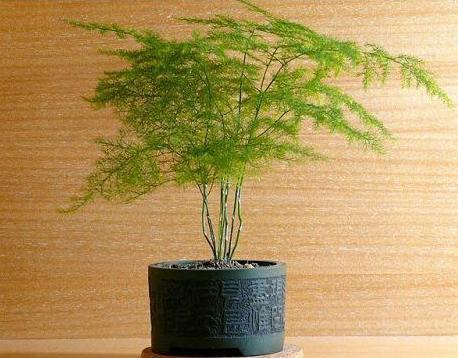
Quite a few people who are doing reasonably well financially have a small study at home, a place set aside for themselves to calm their minds and read and study. These studies are either classical or minimalist, but in any case they are full of a scholarly atmosphere. Besides the necessary bookcases and books, some people also place a few potted plants in the study; aside from looking attractive, they can also help soothe the mind. Since the light levels in a study are, after all, not as good as outdoors, the plants placed in a study should not be ones with a relatively high demand for sunlight.
1. The most common potted plant in a study is asparagus fern (Wenzhu). Although the stems and leaves of asparagus fern look delicate, and it sometimes tends to show signs of yellowing, asparagus fern is highly ornamental, like a miniature scene of bamboo, and looks very elegant and distinctive placed in a study. Besides looking attractive, asparagus fern can also absorb a large amount of sulfur dioxide. This gas has a certain effect on people's health, and if it accumulates too much it can also affect the brain's activity, lowering intelligence and memory. So placing a pot of asparagus fern in the study can energize the brain's thinking and also help us remember the things we want to remember.
Replace with a high-definition large image
2. Shan Zhu Hua, better known by another name, is Dianthus (Shizhu). Although Dianthus looks like bamboo, and its name also contains the character for bamboo, Dianthus does flower. The flowers Dianthus produces are fairly small, and the colors are not very mixed, so placing it in a study can add a touch of fresh color to the room. At the same time, Dianthus also has a certain stimulating effect on people's thinking ability, and can do a good job of helping the owner think deeply while reading books.
3. Ivy, just like its name, is always green throughout the year. Ivy has very good adaptability, so there is no need to worry too much about indoor temperatures affecting it. Studies are generally rather cool and dim, and ivy happens to like cool, shady climates, so planting an ivy in the study is a good choice. Green has a relatively strong visual impact on people and makes them feel relaxed and cheerful. On a quiet afternoon, holding a book and sitting in the study with a small emerald-green potted plant before your eyes, just thinking about it is a very pleasant life.
4. Hosta (Yuzan) is a relatively obscure plant, not commonly seen in daily life, and in terms of purifying the air it is far behind the effects of spider plant or lucky bamboo. But it is mentioned here because the fragrance of hosta is especially pleasant. Hosta's scent is sweet and fragrant, and its flowers and leaves are slender and delicate, like a dainty girl, making people's eyes light up when they see it. Being surrounded by the fragrance of hosta flowers for a long time can relieve the fatigue caused by reading too long, and subtly guide the owner to fall in love with the atmosphere of the study.
For more professional agricultural science and technology information, please scan the QR code to follow WeChat: NongXunNET

Please indicate the source when reposting.