When these 3 things happen to your succulents, repot them quickly to save them
If a succulent's leaves still look dry and soft after watering, we can consider whether it needs repotting. Especially for succulents that are growing too vigorously, their rate of water transpiration is very fast. If the pot the succulent is grown in is too small and there is little water-retaining medium, the plant can easily end up short of water. Watering every day is already bad for the plant, and leaving a succulent short of water for a long time is even worse.
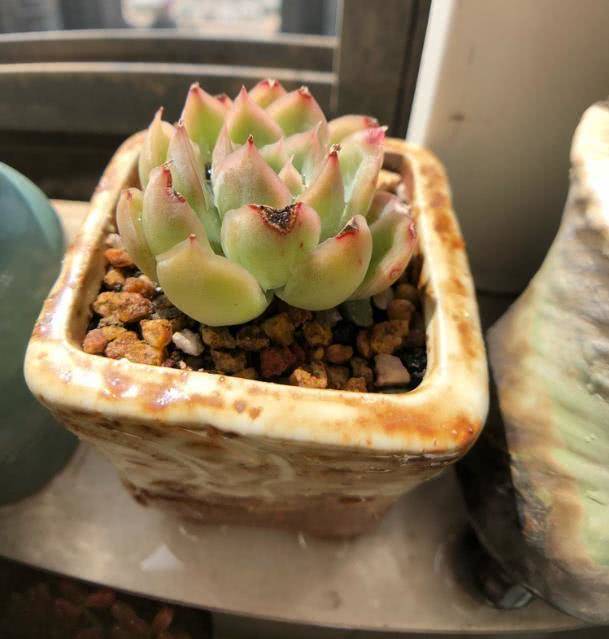
If a succulent's leaves still look dry and soft after watering, we can consider whether it needs repotting. Especially for succulents that are growing too vigorously, their rate of water transpiration is very fast. If the pot the succulent is grown in is too small and there is little water-retaining medium, the plant can easily end up short of water. Watering every day is already bad for the plant, and leaving a succulent short of water for a long time is even worse.
If it is a healthy succulent, its leaves will go soft when it lacks water. This softness is not in a single leaf but throughout the whole plant. After we water it, it usually recovers the next day. If it still does not recover, that means the succulent's root system is unhealthy. Repotting is a good choice at this point: trim off the unhealthy roots, let the roots dry, then plant it, which can promote the succulent's growth.
Succulents sometimes lean or become unstable, and then you need to repot them immediately. If you do not repot them, a strong wind can easily blow them over and leave them leaning this way and that. So for the succulent's healthy growth, I personally suggest switching to a larger, more stable pot. Remember that you can put some top dressing stones on the surface of the pot; they can hold the plant in place and also keep the soil from being blown away by the wind or washing out when you water. Top dressing stones also have a decorative effect. Last time a fellow gardener asked me what top dressing stones are for, so here I am telling my fellow gardeners again.
Sometimes the seedlings bought online come with soil mix and pots that are not very good and are not at all suitable for the long-term growth of small seedlings. At that point we can give them a comfortable new home. One thing to note: in the two weeks before deciding to repot a succulent, do not water it. Dry soil is easier to work with when removing the soil, and the roots will not be damaged by soil that is too sticky. Gently hold the succulent's stem with your hand, turn the pot upside down together with the plant, and the old pot can easily be taken off.
First put a layer of expanded clay pellets at the bottom of the pot to absorb excess water and prevent root rot; because the pellets are relatively large, they will not affect drainage at the bottom. On top of the pellets add a layer of peat soil, then add vermiculite and perlite on top, mixed in equal amounts. Peat soil at about four times the amount of vermiculite is about right. On top add another layer of peat soil, vermiculite and perlite, and mix evenly with a small shovel. Soil mixed this way is relatively loose, soft and well aerated, which is good for root growth.
Repotting is best done in spring and autumn. If it is a "winter-growing type" plant that goes dormant in summer, winter is also suitable. But no matter what, never repot it during the high temperatures of midsummer; encountering high temperatures after repotting not only affects the plant's recovery but also makes it hard for it to survive.
This is a gathering place for succulent lovers, sharing succulent care tips. You are welcome to follow and join the conversation.
For more professional agricultural science and technology news, please scan the QR code to follow WeChat: NongXunNET

Please indicate the source when reposting.