Growing vegetables at home requires no field; one trick teaches you to grow pollution-free, worry-free vegetables
20 years ago, we held hoes in our own small yards growing tomatoes, cucumbers, green beans... watering, weeding, catching bugs... watching them sprout, bloom, and fruit, then picking a handful of vegetables was enough for a family meal. 20 years later, tall buildings...
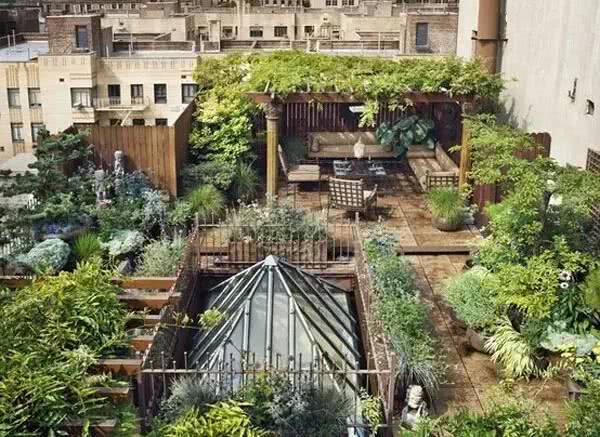
20 years ago, we held hoes
in our own small yards
growing tomatoes, cucumbers, green beans......
watering, weeding, catching bugs......
watching them sprout, bloom, and fruit
Picking a handful of vegetables was enough for a family meal
20 years later, tall buildings
What is lost is not just the yard
but also the joy of growing vegetables
In fact, why must growing vegetables need a field
Now, you can do it at home just the same
Just do this, and you can eat worry-free vegetables
Living vegetables that anyone can grow well
1.Prepare tools: a tray with holes, a sheet of paper (kitchen paper or A4 paper), a spray bottle, and a handful of seeds.
2.First lay a sheet of A4 paper flat in the tray, spray it with water, then spread the soaked seeds on the paper, gently shake them until they are level and even; finally lay another sheet of A4 paper over the seeds and spray it with water.
3.Water 2-3 times a day (if the top layer of paper has dried out completely, lift the paper and spray water).
4.When the seeds have been soaked sufficiently, after about 10 days the lush sprouts are ready to eat!
PS:The paper below is for the seeds to take root, and the paper above is to lock in the moisture below. Dried peas need to be soaked for 24 hours, and wheat needs to be soaked for 16 hours.
Common sprouts include:Chinese toon sprouts, buckwheat sprouts, alfalfa sprouts, Sichuan pepper sprouts, sunflower seed sprouts, radish sprouts, dragon beard bean sprouts, peanut sprouts, broad bean sprouts, and so on,
Besides sprouts, what else can be grown on a balcony?
______
Although sprouts are convenient and easy to grow, the varieties are relatively limited and can only meet a small part of a household's vegetable needs.To eat more varieties of worry-free vegetables, you still have to rely on flower pots or other growing containers.
Many planting plans have been introduced, and it is time to talk about something more specific: if you really grow vegetables at home, which vegetables are more suitable for growing on a balcony, and how should balconies with different orientations choose?
For growing vegetables on a balcony, these are more suitable
Fast-growing vegetables with a short cycle:baby bok choy, green garlic, sprouts, mustard greens, bok choy, leaf lettuce
Vegetables with a long harvest period:tomato, chili pepper, Chinese chives, coriander, cilantro, scallion
Space-saving vegetables:carrot, radish, lettuce, scallion, ginger, cilantro
Easy-to-grow vegetables:bitter melon, carrot, ginger, scallion, lettuce, baby bok choy
Vegetables less prone to pests:scallion, Chinese chives, sweet potato leaves, ginseng grass, aloe, cress
As the saying goes, prescribe the right remedy for the illness, and the problem is not hard. The same applies to growing vegetables: according to your own balcony's environment, such as balcony orientation and whether it is enclosed, choose the right vegetables, and you will eat worry-free vegetables sooner~
South-facing balcony - full sun, plenty of sunlight, and good ventilation, it is the most ideal balcony for growing vegetables.
Almost all vegetables grow best under full sunlight, so generally vegetables can be grown year-round on a south-facing balcony, such as cucumber, bitter melon, tomato, kidney bean, daylily, New Zealand spinach, mustard greens, zucchini, green pepper, lettuce, Chinese chives, etc..
Aquatic vegetables such as lotus root, water chestnut, and water caltrop are also suitable for growing on a south-facing balcony. Setting up simple insulation equipment in winter can also create a good environment for winter vegetable production.
East-facing and west-facing balconies - half-day sun, suitable for growing sun-loving, shade-tolerant vegetables, such as onion, leaf lettuce, baby bok choy, Chinese chives, loofah, cilantro, radish, etc..
But a west-facing balcony has higher temperatures during the summer afternoon sun, causing sunscald in some vegetables, with mild cases losing leaves and severe cases dying, so it is best to plant vining, heat-tolerant vegetables in the corners of the balcony.
North-facing balcony - almost no sunlight all day, and the range of vegetable choices is also the smallest. You should choose shade-tolerant vegetables, such as lettuce, Chinese chives, asparagus, Chinese toon, dandelion, water spinach, Malabar spinach, etc.. In summer, you should also try to defend against the strong light and radiation reflected from the buildings behind.
Hydroponics + soil culture; if you still feel this is not enough, you can also grow mushrooms at home! Anything from shaggy mane mushrooms, oyster mushrooms, enoki mushrooms, wood ear mushrooms, and even lingzhi can be grown at home.
LOVE. Soilless Farm
Soilless FarmShengguo Ju Mall
Discover the beauty of growing flowers
For more professional agricultural science and technology information, please scan the QR code to follow WeChat: NongXunNET

Please indicate the source when reprinting.