How do you grow rosemary so it thrives and fills out its pot?
Intro: Rosemary is a shrub in the Lamiaceae (mint) family. Its scent is fresh, and it has a certain insect-repelling effect, so many people also like to grow it in pots. So how do you grow rosemary well? Let's talk about it based on a few of rosemary's habits. 1. Sunlight: Rosemary is a sun-loving plant; keep it in the sunniest, well-ventilated spot on the balcony.
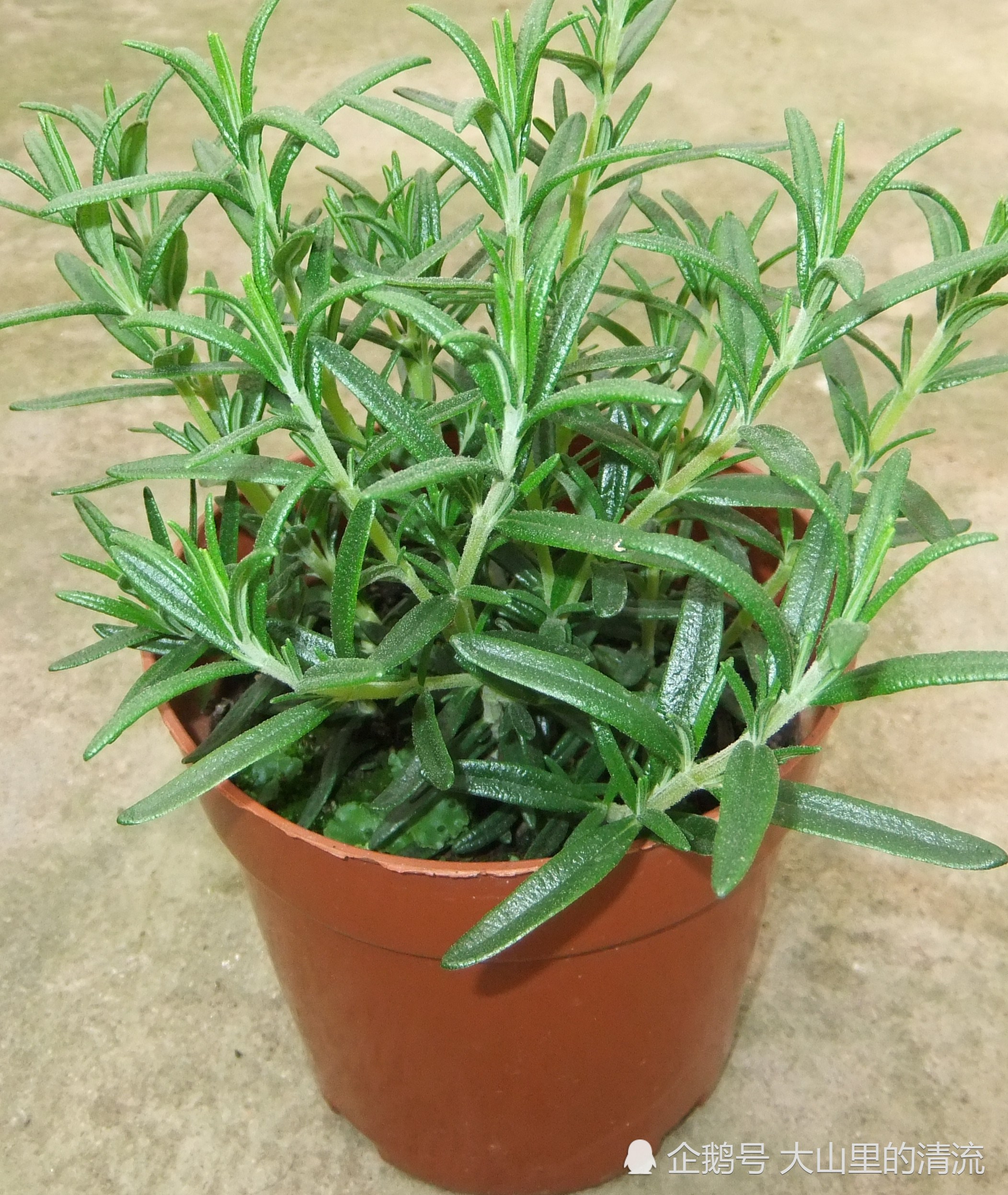 Rosemary is a shrub in the Lamiaceae (mint) family. Its scent is fresh, and it has a certain insect-repelling effect, so many people also like to grow it in pots. So how do you grow rosemary well? Let's talk about it based on a few of rosemary's habits.
1. Sunlight
Rosemary is a sun-loving plant; keep it in the sunniest, well-ventilated spot on the balcony and that is enough. In the hot summer it needs appropriate shading.
2. Water
Rosemary's leaves are rather small, so transpiration is relatively small as well; for everyday care, just water when the soil is dry and let it dry out between waterings.
3. Soil
Rosemary tolerates drought and fears waterlogging, so choose a sandy soil with good drainage for planting, which can lower the chance of root rot.
4. Nutrition
Rosemary is not like most fertilizer-loving plants; it is fairly tolerant of poor soil. You can put a little decomposed organic fertilizer in the bottom of the pot as a base fertilizer. For top dressing, I personally prefer Miracle-Gro liquid fertilizer rich in nitrogen, phosphorus and potassium; ordinary compound fertilizers are all fine. With chemical fertilizers, be careful about the amount to avoid burning the seedlings. If you are worried about getting the concentration wrong, you can use some organic fertilizer with lower fertility; when fertilizing, just use a light dose, half the dose used for ordinary flowers, since after all it does not like fertilizer.
5. Pruning
In daily care, promptly clear away aged, withered branches and fallen leaves. Rosemary's regrowth ability is not very strong and its growth is relatively slow, so when it grows to about ten-odd cm you can prune it appropriately as needed to promote axillary bud growth and ensure a full, attractive plant shape.
Friends who like it are welcome to follow, leave comments, and like, and exchange plant-care experience with fellow flower lovers.
For more professional agricultural science and technology news, please scan the QR code to follow WeChat: NongXunNET

Please indicate the source when reprinting.