Can't even keep a pothos or spider plant alive? These 8 plants can't be killed even by a plant killer
If you are a novice gardener who manages to kill even pothos and spider plants, then you might as well try growing some perennial ornamental grasses - plants that don't need frequent care and are especially drought-tolerant and tolerant of poor soil. Another advantage of ornamental grasses is...
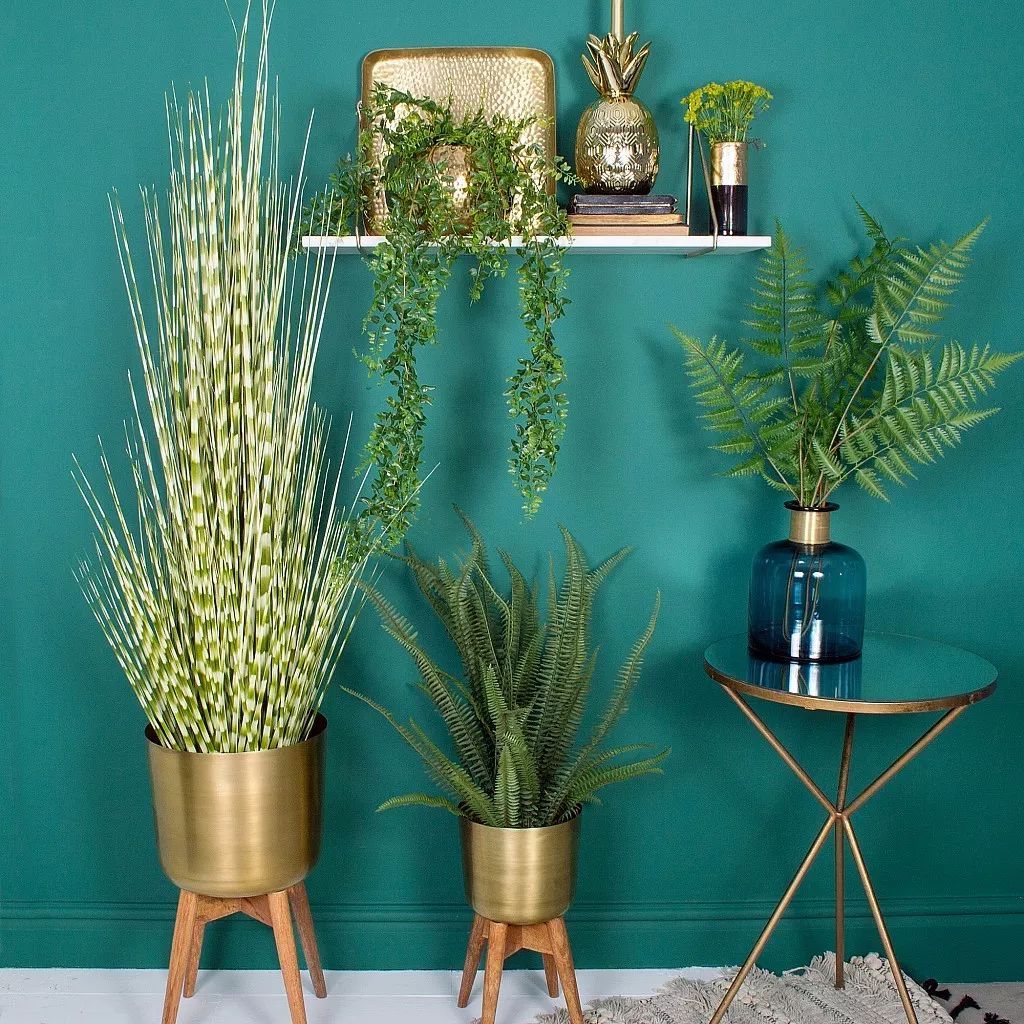
If you are a novice gardener who manages to kill even pothos and spider plants, then you might as well try growing some perennial ornamental grasses - plants that don't need frequent care and are especially drought-tolerant and tolerant of poor soil.
Another advantage of ornamental grasses is that they grow especially fast, usually reaching maturity in two seasons. Sprinkle a few grass seeds in a flower pot and they will grow. They can also serve as privacy plants, and they can be grown in pots too.
Number one, Miscanthus sinensis 'Morning Light'
Miscanthus sinensis 'Morning Light' is a particularly beautiful and fresh ornamental grass. Its leaves have zebra-like stripes, and its flowers generally appear in autumn. The flower color starts out pink, gradually turns red, and finally turns silvery white. It is an extremely cold-hardy ornamental grass and is also very shade-tolerant, surviving even at minus 30 degrees. It is also very drought-tolerant and waterlogging-tolerant, with especially strong adaptability to the environment, and it is completely unfussy about soil, suitable for growing under all kinds of environmental conditions.
Number two, switchgrass
Switchgrass is an ornamental grass with excellent adaptability to the environment and can grow in wet or dry places. Switchgrass has very charming flower spikes. It likes a warm and humid environment year-round and prefers fairly abundant light.
Number three, fiber optic grass
Fiber optic grass is a plant that likes to grow in a warm and humid environment, growing best by the water's edge or the edges of other areas, and its shade tolerance is very good. It likes high air humidity to be maintained. Fiber optic grass is very suitable for growing as a potted plant, and with proper care it can even produce small flowers one after another, with its leaves drooping down like optical fibers.
Number four, golden sedge
Golden sedge has especially strong adaptability to the environment. As long as a warm and humid environment is maintained year-round, it can grow in shaded spots or in places with plenty of sunlight. However, when grown in soil, it needs loose, well-draining soil. It is rather afraid of waterlogging, and too much water easily causes root rot. It needs no fertilizing during care. Golden sedge is very tolerant of poor soil and drought, and its cold hardiness is excellent too.
Number five, blue fescue
Blue fescue is a common ornamental plant. It likes moderate light, and its cold hardiness and drought tolerance are both excellent. It is also completely unfussy about soil. It likes moderate light. When growing it in a pot, be careful to avoid water accumulating in the potting soil. It greatly dislikes too much water, and basically needs no watering. The best thing about it is its cold hardiness - it can survive even at minus 35 degrees.
Number six, pink muhly grass
This is a very romantic and charming ornamental grass. It prefers light, though its shade tolerance is also fairly good. Its adaptability to the environment is excellent - it can survive both waterlogging and drought, and it is also completely unfussy about soil.
In summer its leaves are emerald green, and in autumn and winter it produces brilliant, charming flowers. Its flower spikes are cloud-like, and when it blooms the stems are covered in pink flower spikes that droop down like strands of hair. Seen from a distance it looks like red clouds, very romantic.
Number seven, dwarf lilyturf
If I didn't say so, some friends would mistake the potted plant above for a spider plant. Actually it is dwarf lilyturf. Dwarf lilyturf is a very beautiful ornamental grass with very gentle, charming leaves. It grows very fast, and there are also some smaller varieties. It is generally used as a landscaping plant, and some are suitable for growing as potted plants. It likes a warm and humid environment year-round, its cold hardiness is average, and the minimum care temperature is above 0 degrees. It likes sandy soil.
Number eight, dwarf lilyturf
Many people mistake dwarf lilyturf for a spider plant. It has a golden-edged variety, is suitable as an ornamental grass for flower beds, and can also be grown in pots. Besides its drooping, variegated leaves, it can also produce strings of white or purple flowers, very charming.
To care for dwarf lilyturf, maintain a ventilated, shaded environment and avoid exposure to strong sun or drought. It greatly likes humid environments and higher air humidity. You can water it often or give it water frequently without any problem - don't let it go thirsty.
For more professional agricultural science and technology news, please scan the QR code to follow WeChat: NongXunNET

Please indicate the source when reprinting.