Potted plants that help you sleep - keep one and sleep soundly until dawn
Growing plants indoors is not only great for their ornamental value, but their air-purifying ability is also quite ordinary. There are also some plants that can give you a good sleeping environment, and even at night they can improve the indoor air, letting us have a...
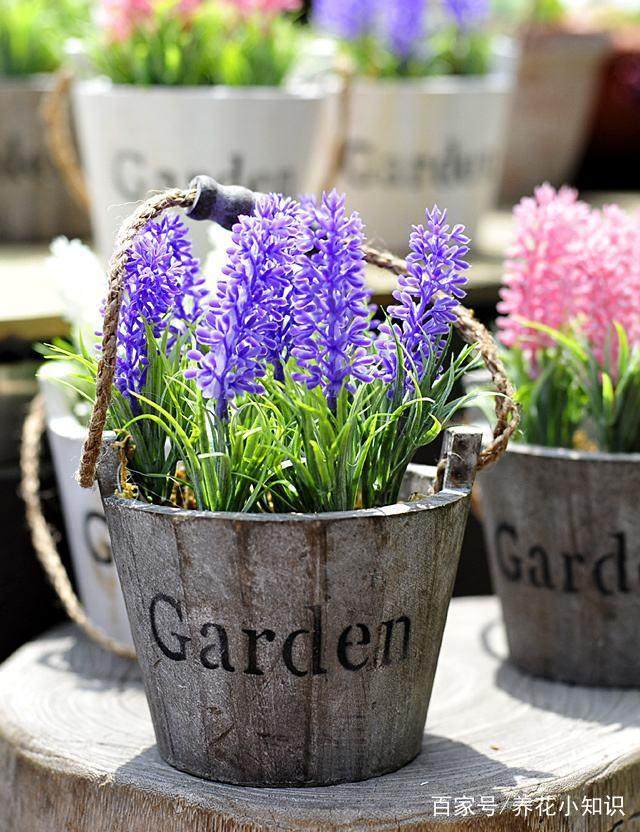
Growing plants indoors is not only great for their ornamental value, but their air-purifying ability is also quite ordinary. There are also some plants that can give you a good sleeping environment, and even at night they can improve the indoor air, letting us have a good sleeping environment.
1. Lavender
The scent of lavender has a calming effect; its fragrance can soothe an anxious mood and make it easier for people to fall into deep sleep. Lavender essential oil can also be used to achieve this effect. Normally, caring for lavender requires a cool, dry environment with indirect light.
2. Snake Plant
The snake plant (Sansevieria) can be said to be the best indoor air-purifying plant. It can also absorb carbon dioxide at night, effectively purifying indoor air and improving our sleeping environment. The snake plant is very drought-tolerant and does not like too much water; generally, watering about once a month is no problem. It prefers to stay in a warm, bright environment.
3. Wax Plant
It can grow as a climbing vine, and pruning the plant can also let it grow into a ball shape. Its sweetly scented flowers can make people calm and help them fall asleep more easily. The wax plant (Hoya) needs plenty of indirect light, preferably about 5 hours of light per day, with morning and evening sunlight being best. It needs a warm environment and appropriate watering.
4. Jasmine
Jasmine has small white flowers that are very lovely and give off a very comfortable fresh fragrance. Its scent is not overpowering. Jasmine fragrance has a calming effect, can help people reduce anxiety, and has a positive impact on improving sleep quality. They also prefer a warm environment with indirect light, and it is best to provide about 5 hours of indirect light per day.
For more professional agricultural science and technology information, please scan the QR code to follow WeChat: NongXunNET

Please indicate the source when reprinting.