When succulents show these signs, repot them promptly so they can grow plump
Almost all flower growers love succulents, and most succulents are well-behaved and very cute. That is why many people like growing succulents, but succulents are rather picky about their living conditions, for example when it comes to repotting. Anyone who has grown succulents knows...
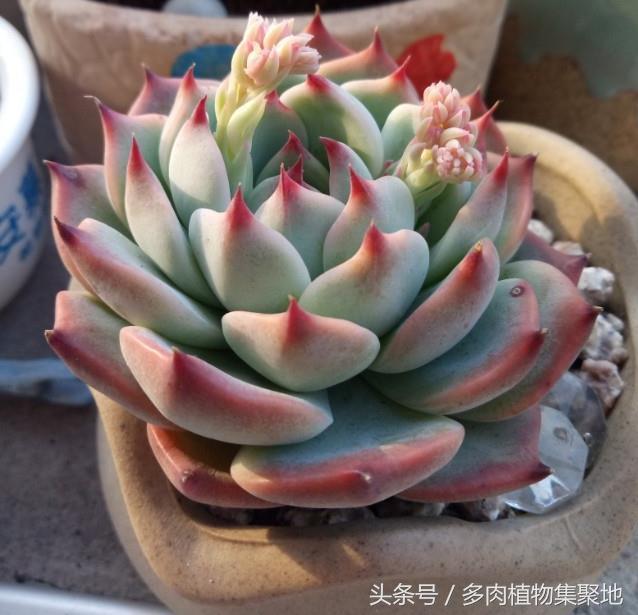
Almost all flower growers love succulents, and most succulents are well-behaved and very cute. That is why many people like growing succulents, but succulents are rather picky about their living conditions, for example when it comes to repotting. Anyone who has grown succulents knows that succulents need to be repotted often, so in which situations can you repot a succulent?
If you find that a succulent you are growing clearly stops growing for a long period, then you should consider transplanting it. A succulent should also be transplanted if its roots rot or worms appear in the soil, or in other adverse situations. The biggest characteristic of succulents is that the bigger the pot, the bigger the plant. After repotting, a succulent will grow rapidly. For a succulent in this kind of good growing state and healthy condition, you can repot it together with its original soil when repotting, and there is no need to change the soil, so the succulent does not have to go through the process of adjusting to the pot.
There is also technique to transplanting succulents. Generally, after one year of cultivation, the nutrients in the pot tend to be used up, the soil becomes compacted with poor aeration and water permeability, and the plant roots are crammed full of the pot, so repotting is needed. Squeeze the pot with your hands and tip the whole plant out together with the soil. If it cannot be removed, tap the pot wall with a rubber hammer and take it out once the pot soil has loosened.
Repotting is usually done in spring and autumn, because that is the growing season for most succulents and they adjust to the pot more easily. The first step in repotting is to prepare new soil. Whether it is a newly bought succulent or one you have grown for some time, it is recommended to change some of the soil; even if you build on the old soil, add some new soil to increase fertility, and it is best to use sterilised new soil. Next comes cleaning the roots. In this process we can rinse with clean water; generally, as long as the roots are not damaged, rinsing with clean water is the best method. Cleaning the roots is very important, because the roots may harbour large amounts of bacteria, fungi or insect eggs.
When replanting, be careful to spread out the original root system. This is very easy to do: first place the plant in the pot, then use a tool to fill in soil. Do not fill the pot to the brim and then force the plant in with your hands. After potting in dry soil, you can water after about 10 days. There is one more thing to note: white mealybugs generally appear on the surface of succulents, while root mealybugs often appear in the soil and can only be seen by pulling out the root system of the succulent. When a succulent stops growing or wilts, it is very likely that there are insects.
This is a gathering place for succulent lovers, sharing succulent care tips. You are welcome to follow and exchange ideas.
For more professional agricultural science and technology information, please scan the QR code to follow WeChat: NongXunNET

Please indicate the source when reprinting.