Phalaenopsis and orchids grow strong and bloom abundantly - don't overlook these care points
Phalaenopsis and orchids are flowers that everyone loves to grow, but caring for these two flowers is not so easy and requires certain methods and techniques. Today I will tell you a few key points to note in care; whether Phalaenopsis and...
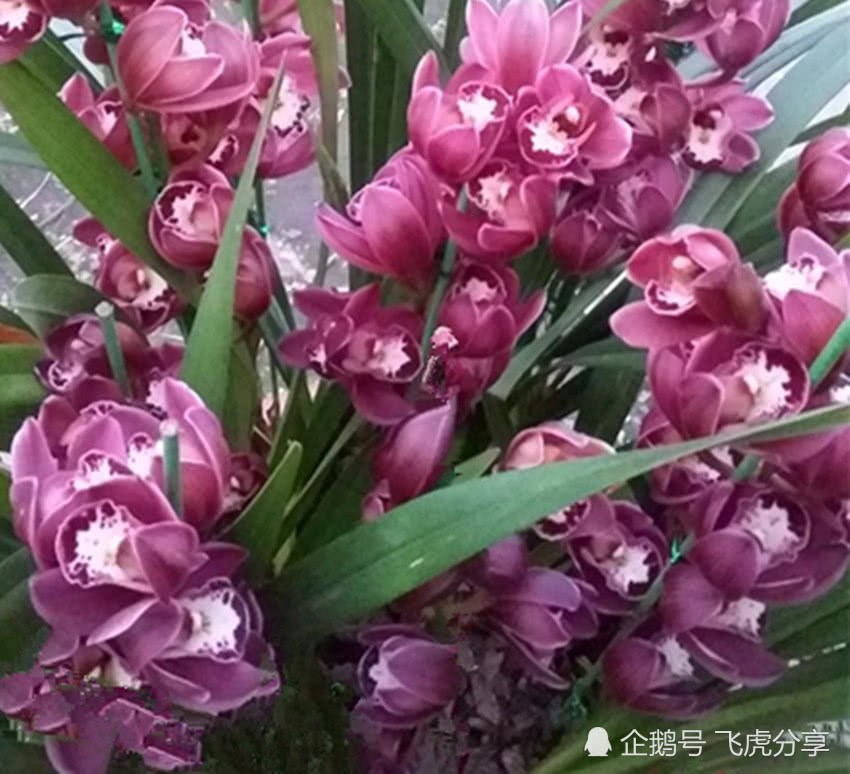
Phalaenopsis and orchids are flowers that everyone loves to grow, but caring for these two flowers is not so easy and requires certain methods and techniques. Today I will tell you a few key points to note in care; whether Phalaenopsis and orchids grow well depends on these.
1. Sterilize before repotting. When repotting Phalaenopsis and orchids, first sterilize and disinfect the pot, root system and leaves. Do not use them directly; you can spray the pot, root system and leaves with carbendazim or thiophanate-methyl solution. 2. Use good planting material. There are two types of material used for growing orchids: one is hard material, the other is soft material. Hard materials include: volcanic stone, ceramsite, crushed brick granules, etc. Soft materials include: peat soil, peanut shells, pine needles, tree bark, etc. You can mix them appropriately according to local conditions; the general requirement is loose and breathable, with smooth drainage. But the material must be clean; the old material removed during repotting cannot be used, and new base material should be used instead.
3. Repotting and transplanting. First fill the bottom of the pot with a drainage layer, which can be stones, ceramsite, etc., then according to the size and height of the pot and the size of the plant, adjust the transplanting height. The root system should not be planted too deep; about 3 cm from the pot rim is enough. 4. Fill in the material. When the adjusted plant is about the same height as the pot, you can begin filling in the material. When filling, slowly add it from around the pot, patting the outer wall of the pot while filling, so that the material and root system are fully combined. Once the material completely covers the root system, it is done.
5. After transplanting, water it, and water thoroughly. Be sure to use clean water when watering. After watering, place it in a cool, ventilated place and do not let direct sunlight hit it; prolonged direct sunlight will cause the leaves to dry up. Usually check often whether the material in the pot is dry or wet. If it is dry, water it; if it is not dry, wait another one or two days before watering. It is better to let it be slightly dry than to let the material be too wet.
For more professional agricultural science and technology news, please scan the QR code to follow WeChat: NongXunNET

Please indicate the source when reprinting.