Detailed Explanation of Key Points on Late-Autumn Tomato Cultivation Techniques
Introduction: In terms of geographical location, Guizhou is a province made up of karst landforms, with an average altitude of about 1100m across the province. Because its land area is very large, it is very suitable for growing various off-season vegetables. With the adjustment of China's agricultural structure and the continuous development of the agricultural economy
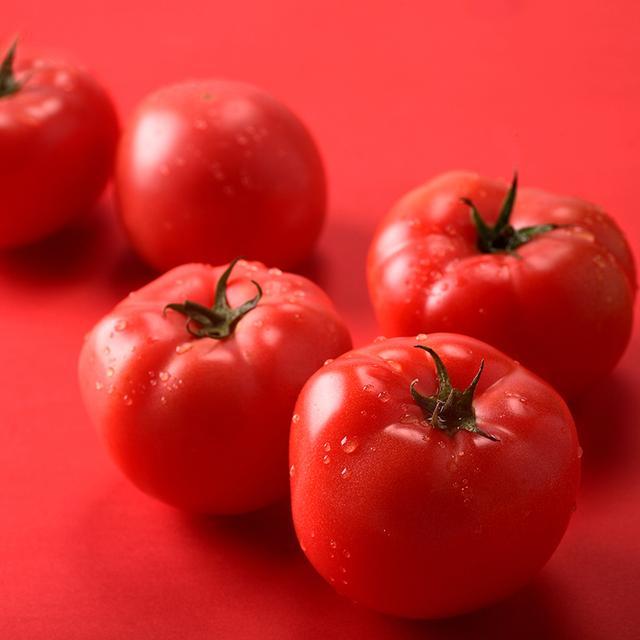
Late-Autumn Tomato Cultivation Techniques
In terms of geographical location, Guizhou is a province made up of karst landforms, with an average altitude of about 1100m across the province. Because its land area is very large, it is very suitable for growing various off-season vegetables. With the adjustment of China's agricultural structure and the continuous development of the agricultural economy, tomatoes have now become one of the main vegetable varieties grown in Guizhou. In the process of growing summer tomatoes in Guizhou, seedling raising has become a very critical step. Also, because the weather across Guizhou Province changes very frequently, many difficulties and failures are actually encountered in the process of growing off-season tomatoes. Therefore, growers especially need to pay attention to the cultivation techniques for off-season tomatoes in Guizhou, and it is hoped that this article can provide everyone with better reference opinions.
1 Preparation Before Sowing
1.1 Variety Selection
In the process of growing tomatoes in Sinan County, Guizhou, it is especially important to choose high-quality varieties such as 9130, Hong Jiangjun, Wang Zhong Wang, Jin Tama and many other types. These tomato varieties, which are valued in many places in Guizhou, are not only of superior quality but also have good marketability and disease resistance, and they have performed very well in many places including Sinan County, Guizhou.
1.2 Reasonable Selection of Seedling Raising Site
In the process of late-autumn tomato cultivation in Guizhou, particular attention should be paid to the selection of the seedling raising site. Choosing a seedling raising site with higher terrain, better drainage and better ventilation is a good choice. In addition, the following steps should also be noted during sowing: first, note that items such as straw curtains and wheat straw should be used to cover above the seedling raising site, which can effectively prevent evaporation inside the seedling raising site due to excessively high temperature, after which a greenhouse film can be built on top. To make the management of the greenhouse more convenient, we cannot build the greenhouse too low; generally, setting the height of the greenhouse at 80cm and the length at about 6m is most appropriate. Also, special attention should be paid to the fact that no other crops have been grown in the soil used for planting tomatoes within three years.
1.3 Disinfection of Seeds
In the process of cultivating tomatoes, the most important thing is to enable the seeds to sprout quickly and uniformly, and to enhance the disease resistance of the seeds themselves in this process. Therefore, before sowing, the seeds should be sterilized and germinated, which can mainly be carried out in the following steps[1]. First, put all the seeds into a bag made of gauze, then place them in water at a temperature of about 50 degrees C to soak, with a soaking time of about 15 min. After that, place the seeds in a 10% potassium permanganate solution to soak, with a soaking time of about 20min. Finally, once the seeds show white sprouts during the sowing process, sowing can begin.
1.4 Choosing the Right Time for Sowing
Because the altitude range across the entire Guizhou region is very wide, we especially need to choose different sowing periods according to different altitudes. In areas with an altitude below 1000m, the sowing time should be chosen around May to June. In areas with an altitude of 1100m to 1300m, sowing should be chosen in late May. The altitude of Sinan County, Guizhou, is about 1302m, so sowing should be carried out from the end of May to mid-June. During sowing, special attention should be paid to watering the soil. During sowing, about 3 seeds can be sown directly into the hole, or the seeds can be placed directly into nutrient bags. In particular, a layer of sifted nutrient soil should be sprinkled on at the end, and then the seeds should be gently covered and buried. To keep the seeds moist, a small amount of water should be sprinkled above the seeds.
2 Field Management
2.1 Before Emergence
Before emergence, special attention should be paid to keeping the seedbed moist, and the condition of the soil should be observed at all times to prevent the soil from caking. Depending on the situation, both ends of the greenhouse do not need to be kept fully ventilated. If high summer temperatures are encountered, the greenhouse films at both ends of the greenhouse should be opened so that ventilation can be carried out at any time. Except during high summer temperatures, at other times the time for opening the greenhouse film should be controlled between 13:00 and 16:00 in the afternoon. Note that the seedbed should be kept moist at all times. If it is found that the humidity is insufficient, then watering should especially be arranged in the morning.
2.2 Growth Period
In the process of growing late-autumn tomatoes, topdressing is a very important task, and generally a method of 4 to 5 topdressings can be used. Topdressing should first be carried out at a frequency of 150 to 210kg per square meter, after which fruit-preserving fertilizer should be added subsequently so as to increase the growth of the fruit. After that, during the process of harvesting the fruit on a large scale, manure water can subsequently be used for fertilizing, and compound fertilizer can also be applied together when necessary. During topdressing, the amount of fertilizer should also be flexibly adjusted according to the growth of the plants.
2.3 Reasonable Pruning
In the process of tomato field management, reasonable pruning is a very important step. Timely pruning of branches and leaves can effectively ease the conflict of growth among branches, thereby improving the plants' immunity by allowing them to absorb more sunlight. For plants with a particularly complex structure, we can adopt the method of first retaining the main branch and then removing all the remaining side branches and leaves. On the one hand, this can help the wounds heal better during pruning, and on the other hand, it can also effectively prevent pathogens from spreading widely through branches and leaves. If during the growing process it is found that the target plant has already flowered and the fruit above has become smaller due to squeezing, directly affecting the appearance of the tomatoes, then attention should be paid to pinching the growing tips. Only in this way can the normal supply of nutrients to the plant be ensured. Even more attention should be paid during the growing process to removing leaves that have already become diseased, so that the plant can carry out photosynthesis under normal conditions.
For more professional agricultural science and technology information, please scan the QR code to follow WeChat: NongXunNET

Please indicate the source when reprinting.