Potted Plant Formaldehyde Purification Test: Experts Reveal the Surprise Winner
Moving into a new house, relocating to a new home.... Changing to a new environment, everyone faces one very important issue: "formaldehyde." Needless to say, everyone knows formaldehyde is very harmful. So many people mention that plants absorb formaldehyde, and several kinds of potted plants...
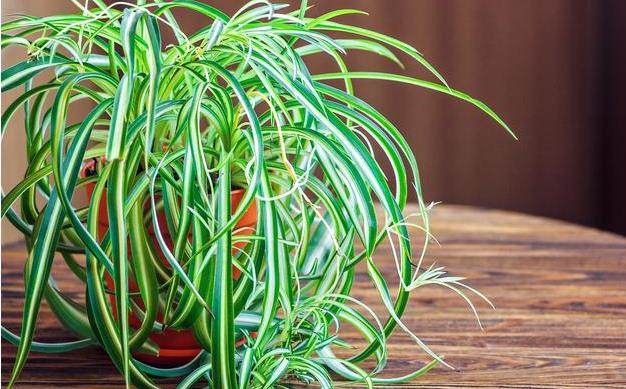
Moving into a new house, relocating to a new home.... Changing to a new environment, everyone faces one very important issue: "formaldehyde." Needless to say, everyone knows formaldehyde is very harmful. So many people mention that plants absorb formaldehyde, and several kinds of potted plants are very effective at absorbing formaldehyde. Some even say: "Spider plant is the king of formaldehyde absorption among plants."
So this time, on the CCTV Finance Channel program "Is It True?", the program's reporter took this question to the Environmental Technology Research Center of the Shanghai Academy of Building Research for experimental verification.
Before starting the experiment, the reporter selected the most popular plants known for absorbing formaldehyde for testing, using spider plant, snake plant, aloe, English ivy, and golden pothos to test their formaldehyde removal rates.
In a sealed, identical environment, the experimenter placed these plants for 24 hours, then by comparing the changes in formaldehyde concentration values in the two test chambers, and finally using a professional formula, the data obtained was as follows:
Spider plant test result: spider plant's formaldehyde purification rate within one cubic meter is 1%;
Snake plant test result: snake plant's formaldehyde purification rate within one cubic meter is 1%;
Aloe test result: formaldehyde purification rate within one cubic meter is 2%;
Golden pothos test result: formaldehyde purification rate within one cubic meter is 1%.
English ivy test result: formaldehyde purification rate within one cubic meter is 9%;
So based on these results, we can see that spider plant, snake plant, and golden pothos have the same formaldehyde purification rate, all purifying 1% within one cubic meter; aloe's formaldehyde purification rate is slightly higher, at 2% within one cubic meter. But the first place goes to English ivy, with a purification rate of 9%.
English ivy's formaldehyde purification effect is the best, and English ivy has beautiful leaf shapes and stays green year-round, making it very suitable for decorating the home.
So if you now have a newly renovated house, you might as well place several pots of English ivy at home. It is not only attractive, but can also quickly remove formaldehyde from your home, helping you move into the new house sooner.
Everyone is welcome to interact and exchange ideas, thank you all for your support
For more professional agricultural science and technology information, please scan the QR code to follow WeChat: NongXunNET

Please indicate the source when reposting.