What household helpers are there? Practical recommendations to help you choose
Introduction: The little home doctor. After home renovation is complete, plants are needed to add the finishing touch. Green home plant decorations have more vitality and energy than any other decoration; they can enrich the remaining space, bring people a completely new visual experience, and are also the little doctors in our lives. Let's learn together! 1. Plants that absorb harmful gases. There is research
The little home doctor
After home renovation is complete, plants are needed to add the finishing touch. Green home plant decorations have more vitality and energy than any other decoration; they can enrich the remaining space, bring people a completely new visual experience, and are also the little doctors in our lives. Let's learn together!
1
Plants that absorb harmful gases
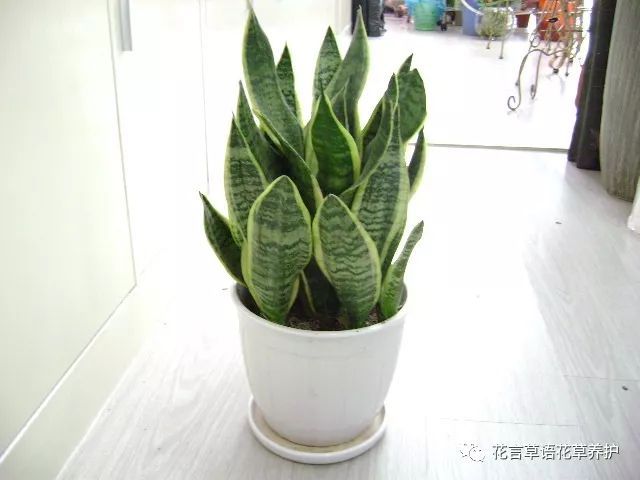
Some research shows that snake plant (Sansevieria) and spider plant can absorb more than 80% of indoor harmful gases, and their ability to absorb formaldehyde is extremely strong. Aloe is also good at absorbing formaldehyde, and can absorb 90% of the formaldehyde contained in 1 cubic meter of air.
English ivy, sago palm, chrysanthemum, kumquat, pomegranate, Portulaca grandiflora, Chinese rose, camellia, pomegranate, aglaia, daisy, wintersweet, marigold and others can effectively remove harmful substances such as sulfur dioxide, chlorine, ether, ethylene, carbon monoxide, and nitrogen peroxide.
Orchid, osmanthus, wintersweet, caladium, red-backed sweet osmanthus and others are natural dust removers; their fine hairs can intercept and absorb floating particles and smoke dust in the air.
2
Plants that can sterilize
The volatile oils produced by fragrant flowers such as rose, osmanthus, violet, jasmine, lemon, rose, Dianthus, lily of the valley, and crape myrtle have a significant sterilizing effect.
Plants such as crape myrtle, jasmine, and lemon can kill native bacteria such as diphtheria bacteria and dysentery bacteria within 5 minutes. The fragrance released by plants such as rose, Dianthus, lily of the valley, violet, rose, and osmanthus has a clear inhibitory effect on the growth and reproduction of tuberculosis bacteria, pneumococcus, and staphylococcus.
Succulent plants native to tropical arid regions, such as cactus, have stomata on their fleshy stems that close during the day and open at night; while absorbing carbon dioxide, they produce oxygen, increasing the concentration of negative ions in indoor air.
Plants such as snake plant, Sansevieria, agave, as well as Opuntia, Kalanchoe, sedum, Bryophyllum, and cultivated pineapple can also purify the air at night.
Plant climbing plants such as Boston ivy, grape, morning glory, wisteria, and rose around the home, letting them climb along walls or trellises to form a green shade canopy; this can effectively reduce sunlight radiation and greatly lower indoor temperature.
Plants such as lilac, jasmine, rose, violet, and mint can help people relax, feel mentally pleasant, aid sleep, and also improve work efficiency.
PlantsWord smart cloud irrigation flower potAfter long-term collection and organization, more than 3,600 kinds of plants have been included, including plant propagation methods, care techniques, pest and disease control, and more, aspiring to fulfill a pastoral dream for every plant lover.
For more professional agricultural science and technology information, please scan the QR code to follow WeChat: NongXunNET

Please indicate the source when reprinting.