Is goji berry a vine? Learn about the plant characteristics of goji berry in one article
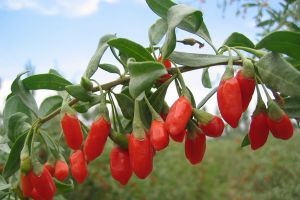
Other names for goji berry
Goji berry has many folk names, including tiancaizi, gounaizi, hongqingjiao, gouqizi, gouqi hongshi, goutizi, gouqiguo, diguzi and so on.
Growth habits of goji berry
Goji berry likes a cold and cool environment and is very cold-resistant. Generally, at around 7°C, the seeds can germinate, and the seedlings can even withstand a low temperature of minus 3°C.
In spring, when the temperature is above 6°C, the young shoots slowly grow out. Goji berry can pass through minus 25°C safe and sound. The roots of goji berry are very developed and extremely drought-tolerant. Conversely, waterlogging is unfavorable to its growth.
Goji berry mostly grows on alkaline soil and sandy soil, and is most suitable for cultivation in relatively deep and fertile soil.
The value of goji berry
Medicinal value: The fruit of goji berry is called gouqizi in traditional Chinese medicine, and its medicinal effects are the same as those of Ningxia goji; the root bark is called digupi in traditional Chinese medicine and has the effect of clearing heat and relieving cough. Extracts of goji berry, in the form of goji polysaccharides, betaine and goji pigments, have therapeutic effects on a variety of diseases.
Ornamental value: The Ningxia goji tree has a graceful shape, with red fruit and green leaves, and has high ornamental value; it can also be used as an ornamental plant.
Edible value: The tender leaves are used as a vegetable and have already begun to become popular in Guangdong, Guangxi and other regions.
Related Articles
- How to prevent and control pests and diseases on desert rose? Ventilation and dryness are the key to prevention
- The three main causes of cotton diseases: climate, seeds and cultivation
- How to Grow Bird's Nest Fern in Water? Master Temperature, Light, and Water Change Techniques
- A Complete Guide to Identifying and Controlling Common Potted Flower Pests
- Do Carnivorous Plants Need Watering? Pot Watering and Wet/Dry Assessment Methods
- How to manage cotton during the flowering and boll-setting stage? Apply flowering and boll fertilizer heavily, use chemical regulation and pruning to prevent premature senescence
- How to Grow Chinese Hibiscus? Master These 5 Key Points for Blooms All Year Round
- How to Grow Tulips in Water? The Complete Process from Bulb Preparation to Blooming